
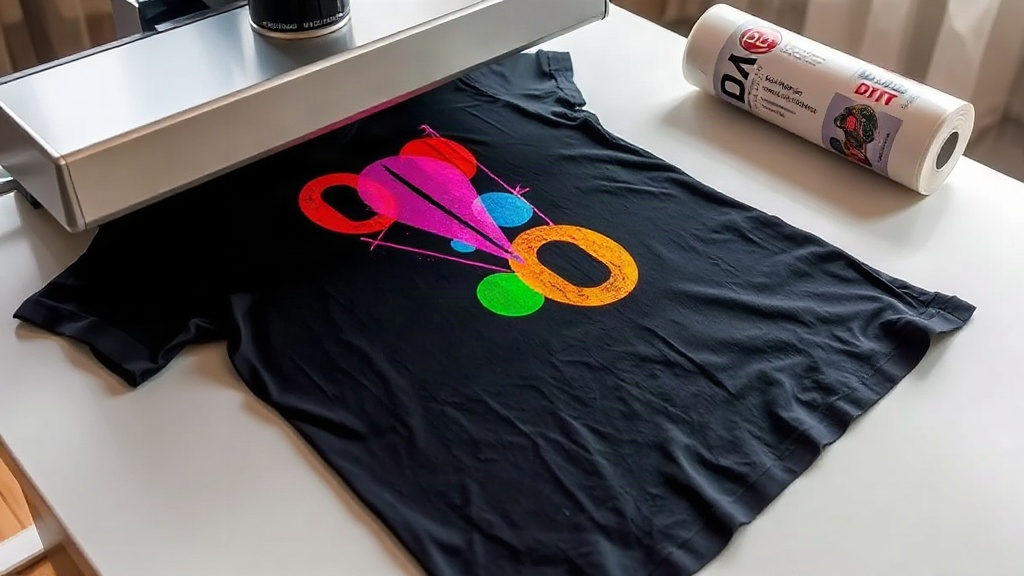
Imagine pressing a vibrant, full-color design onto a dark cotton t-shirt without worrying about weeding or color limitations. That's the magic of DTF transfers. In the world of custom apparel, DTF (Direct to Film) transfers have quickly become a game-changer, offering unparalleled versatility and durability. Whether you're a small business owner, a hobbyist, or a professional printer, understanding DTF transfers can elevate your creations. In this guide, we'll walk you through everything you need to know, from the basics to pro tips.
What Are DTF Transfers?
DTF transfers are a type of heat-applied transfer that uses a special film and adhesive powder to bond designs to fabric. Unlike DTG (Direct to Garment) printing, which prints directly onto the garment, DTF involves printing the design onto a PET film, coating it with adhesive powder, and then transferring it onto the fabric using a heat press. This two-step process allows for vibrant, detailed prints on a wide range of materials, including cotton, polyester, and blends.
How DTF Transfers Work: Step by Step
Understanding the DTF process is key to achieving professional results. Here's a breakdown of the steps involved:
- Design Preparation: Create your artwork in a graphics program, ensuring it's mirrored (if required by your printer) and sized appropriately.
- Printing: Using a DTF printer, the design is printed onto a special PET film with white ink as a base (for opacity) and CMYK inks for color.
- Powder Application: While the ink is still wet, a thermoplastic adhesive powder is applied evenly over the print. Excess powder is shaken off.
- Curing: The film is then heated to melt the powder, creating a dry, tacky surface that will bond to the fabric.
- Transfer: The cured film is placed on the garment and pressed with a heat press at a specific temperature and pressure for a set time.
- Peeling: After pressing, the film is peeled away (hot or cold peel, depending on the film type), leaving the design bonded to the fabric.
Why Choose DTF Transfers for Your Custom Apparel?
DTF transfers offer several advantages that make them a preferred choice for many apparel decorators. Let's explore the key benefits.
Vibrant Colors on Any Fabric
One of the biggest advantages of DTF transfers is their ability to produce bright, opaque colors on both light and dark fabrics. The white ink base ensures that colors pop, even on black or navy garments. This is a significant improvement over traditional screen printing, which requires separate screens for each color and can be costly for complex designs.
No Weeding or Cutting Required
Unlike heat transfer vinyl (HTV), DTF transfers don't require weeding or cutting. You simply print, powder, cure, and press. This saves time and labor, making DTF ideal for intricate designs with fine details.
Durability and Washability
When applied correctly, DTF transfers are highly durable. They can withstand multiple washes without fading, cracking, or peeling. The adhesive powder creates a strong bond with the fabric, ensuring longevity. However, proper washing (inside out, cold water, no bleach) is recommended to maximize the lifespan.
Versatility Across Materials
DTF transfers work on a wide range of fabrics, including cotton, polyester, blends, and even some non-fabric materials like canvas and leather. This versatility makes them suitable for t-shirts, hoodies, tote bags, and more.
Cost-Effective for Small Runs
For small to medium-sized orders, DTF transfers are more cost-effective than screen printing, which requires setup costs for each color. With DTF, you can print one-off designs without minimums, making it perfect for personalized items or samples.
Common Challenges and How to Overcome Them
While DTF transfers are user-friendly, there are some common pitfalls to avoid. Here are solutions to typical issues.
Adhesive Powder Issues
Uneven powder application can lead to poor adhesion or a rough texture. To avoid this, use a powder shaker for even distribution and always shake off excess powder. Additionally, ensure the powder is completely melted during curing; under-cured powder can cause the transfer to peel.
Incorrect Press Settings
Each film and powder may have specific temperature, pressure, and time requirements. Always follow the manufacturer's recommendations. Too much heat can scorch the fabric or cause the film to curl; too little heat can result in poor adhesion. A heat press with accurate temperature control is essential.
Peeling Problems
Peeling can occur if the transfer is not pressed long enough or if the film is peeled at the wrong temperature. Some films require hot peel, while others require cold peel. Check your film's instructions and practice on scrap fabric first.
DTF vs. Other Transfer Methods
How does DTF stack up against other popular decoration methods? Let's compare.
DTF vs. DTG
DTG prints directly onto the garment, which can be limiting for dark colors and polyester. DTF, on the other hand, works on almost any fabric and produces more vibrant colors. However, DTG can be faster for large orders and has a softer feel. DTF transfers have a slightly thicker hand but offer superior durability.
DTF vs. Screen Printing
Screen printing is cost-effective for large orders with few colors, but it's not practical for complex, multi-color designs or small runs. DTF excels in these areas, offering full-color prints without setup costs. However, for very large orders, screen printing may still be more economical.
DTF vs. HTV
HTV requires weeding and layering for multi-color designs, which is time-consuming. DTF eliminates weeding and allows for intricate designs with gradients and fine details. HTV can be more durable for simple, single-color designs, but DTF is more versatile overall.
Expert Tips for Flawless DTF Transfers
To achieve professional results, follow these expert tips.
- Choose Quality Materials: Invest in high-quality DTF film and powder from reputable suppliers. Cheap materials can lead to inconsistent results.
- Maintain Your Printer: Regular maintenance, such as cleaning printheads and shaking ink cartridges, ensures optimal print quality.
- Test Before Production: Always do a test press on a similar fabric to dial in your settings.
- Store Transfers Properly: Keep unused transfers in a cool, dry place away from direct sunlight to prevent premature curing.
- Use a Heat Press, Not an Iron: An iron cannot provide even pressure and temperature, leading to poor adhesion.
Frequently Asked Questions About DTF Transfers
How long do DTF transfers last?
With proper application and care, DTF transfers can last as long as the garment itself. They are resistant to cracking, peeling, and fading, often outlasting other transfer methods. Washing inside out in cold water and avoiding bleach will extend their life.
Can I use DTF transfers on polyester?
Yes, DTF transfers work well on polyester and polyester blends. The low-temperature application (compared to some other methods) prevents scorching, and the adhesive bonds effectively to synthetic fibers.
Do I need a special printer for DTF transfers?
Yes, you need a DTF printer that uses DTF inks and can handle PET film. These printers are specifically designed for the DTF process. However, you can also outsource printing to a DTF service if you don't want to invest in a printer.
What is the best temperature for pressing DTF transfers?
The ideal temperature varies by film and powder, but typically it's around 300-325°F (150-160°C) for 10-15 seconds with medium pressure. Always refer to your supplier's instructions for exact settings.
Can I layer DTF transfers?
Yes, you can layer DTF transfers to create multi-color or multi-layer designs. Press the first layer, then apply the second layer on top, ensuring proper alignment. Use a heat press for each layer.
DTF transfers are a powerful tool for anyone in the custom apparel industry. With their vibrant colors, durability, and versatility, they open up a world of possibilities. By following the steps and tips outlined in this guide, you'll be well on your way to creating stunning, long-lasting apparel that your customers will love. So why wait? Dive into the world of DTF transfers and elevate your designs today.