
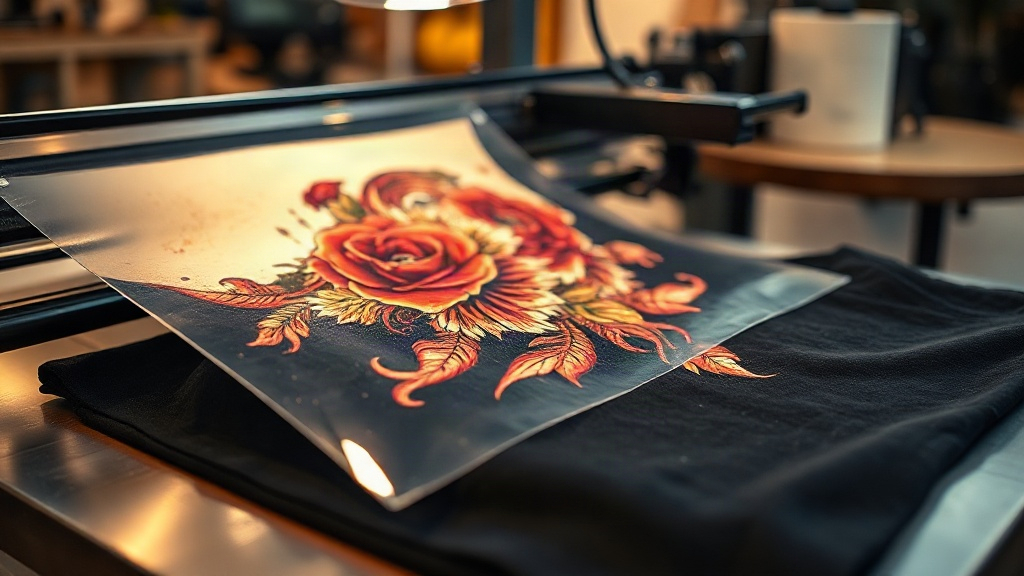
When you first dive into the world of print on demand, the array of printing methods can feel overwhelming. Among the most talked-about techniques today is DTF printing, which stands for Direct to Film. Unlike traditional methods that require specific fabrics or extensive setup, DTF printing offers a versatile solution that works on almost any material. In this guide, we will walk you through everything you need to know about DTF printing, from its core mechanics to practical tips that can elevate your print on demand business.
What Exactly Is DTF Printing?
DTF printing is a digital printing technology where your design is first printed onto a special film, then coated with a powder adhesive, and finally heat-pressed onto the fabric. This process allows for full-color, high-detail transfers that bond permanently with the material. The key difference from DTG (Direct to Garment) is that DTF doesn't print directly onto the garment; instead, it creates a transfer that can be applied later. This opens up possibilities for printing on dark colors, polyester, cotton blends, and even non-fabric items like canvas bags or caps.
Why DTF Printing Is a Game-Changer for Print on Demand
Print on demand sellers constantly seek methods that reduce costs, minimize waste, and deliver consistent quality. DTF printing checks all these boxes. Here are the main advantages:
- No pre-treatment required: Unlike DTG, DTF doesn't need you to pre-treat shirts before printing, saving time and chemicals.
- Works on multiple fabrics: You can apply DTF transfers to cotton, polyester, blends, and even leather or denim.
- Vibrant colors on dark garments: The white ink layer in DTF films ensures your design pops on black or navy shirts.
- Durability: When applied correctly, DTF prints withstand dozens of washes without fading or cracking.
- Low minimums: You can produce a single item or a small batch economically, perfect for on-demand orders.
The Step-by-Step DTF Printing Process
Understanding the workflow helps you troubleshoot issues and produce professional results. Here is how DTF printing typically unfolds:
- Design preparation: Create your artwork in a graphics program, ensuring it's mirrored (unless your printer software does it automatically).
- Printing: Load the DTF film into a specialized printer and print your design. The printer lays down CMYK inks followed by a white ink base.
- Powder application: While the ink is still wet, sprinkle hot-melt adhesive powder over the film. Shake off excess.
- Curing: Place the film in a curing oven or under a heat press for a few minutes to melt the powder, creating a dry, tacky surface.
- Heat pressing: Position the transfer on your garment and press at around 160°C (320°F) for 10-15 seconds with medium pressure.
- Peeling: Wait for the film to cool completely (cold peel) before removing it to reveal a smooth, vivid print.
Key Equipment and Supplies for DTF Printing
To get started with DTF printing, you'll need a few essentials. While the initial investment might seem high, the versatility often justifies the cost for growing print on demand shops.
- DTF printer: A dedicated printer that uses DTF inks and film. Popular models include those from Epson converted for DTF.
- DTF film: Available in rolls or sheets, both matte and glossy finishes. Choose based on your printer and desired feel.
- Hot-melt powder: The adhesive that bonds the ink to the fabric. Available in fine or coarse grades.
- Curing oven or heat press: For melting the powder and applying the transfer.
- Heat press: A reliable press with accurate temperature and pressure control is crucial.
- Design software: Adobe Photoshop, Illustrator, or free alternatives like GIMP or Inkscape.
Common Challenges and How to Overcome Them
Even with a solid setup, you might run into issues. Here are frequent problems and their solutions:
1. Print Cracking or Fading After Wash
This usually stems from insufficient pressure, incorrect temperature, or poor powder application. Ensure your heat press is calibrated and apply even pressure. Also, use high-quality DTF film and powder from reputable suppliers.
2. Colors Look Dull
Dull colors often indicate that the white ink layer is too thin or the curing was incomplete. Increase the white ink density in your printer settings and make sure the powder is fully melted. Additionally, check that your film is not expired.
3. Film Peeling Difficulties
If the film doesn't peel cleanly, it might be too hot or too cold. Experiment with cooling times. Most DTF transfers require a cold peel, but some films are designed for hot peel. Always follow the manufacturer's instructions.
DTF vs. Other Printing Methods: A Quick Comparison
How does DTF stack up against DTG, screen printing, and sublimation? Each has its niche, but DTF shines in flexibility.
- DTG: Best for 100% cotton, but requires pre-treatment and can be costly for small runs. DTF eliminates pre-treatment and works on more fabrics.
- Screen printing: Cost-effective for large orders but impractical for one-offs. DTF excels at single items and complex designs.
- Sublimation: Only works on polyester and light-colored fabrics. DTF handles dark colors and cotton effortlessly.
For print on demand, where orders are typically one or two items, DTF offers the best balance of quality, speed, and material compatibility.
Tips for Maximizing Profit with DTF Printing
To make your DTF printing venture profitable, consider these practical strategies:
- Batch similar orders: Print multiple designs on one film sheet to save film and time.
- Offer personalization: Add names or numbers to jerseys, bags, or hats. DTF handles fine details well.
- Upsell premium fabrics: Since DTF works on various materials, you can offer higher-margin items like performance wear.
- Market eco-friendly options: Use water-based DTF inks and biodegradable films to attract conscious consumers.
- Streamline your workflow: Organize your designs and pre-press settings to reduce errors and turnaround time.
Frequently Asked Questions About DTF Printing
How long does a DTF print last?
With proper application and care, a DTF print can last 50+ washes. Wash the garment inside out in cold water and avoid harsh detergents or high heat drying.
Can I use DTF on 100% polyester?
Yes, DTF works well on polyester, including performance fabrics. The key is to use a lower heat press temperature (around 150°C) to prevent scorching.
Do I need a special printer for DTF?
You can convert an Epson printer to use DTF inks, or buy a dedicated DTF printer. Dedicated models often yield better reliability and color consistency.
Is DTF printing cost-effective for small businesses?
Absolutely. The ability to produce one-off items without minimums makes DTF ideal for small businesses and startups. The per-unit cost decreases as you scale.
What is the difference between DTF and DTG?
DTF involves printing on a film and transferring, while DTG prints directly onto the garment. DTF requires no pre-treatment and works on more fabrics, but may have a slightly thicker feel.
Embracing DTF printing can set your print on demand business apart. With its versatility, durability, and vibrant results, it's a technology worth mastering. Start small, experiment with different fabrics, and watch your custom apparel offerings expand.