
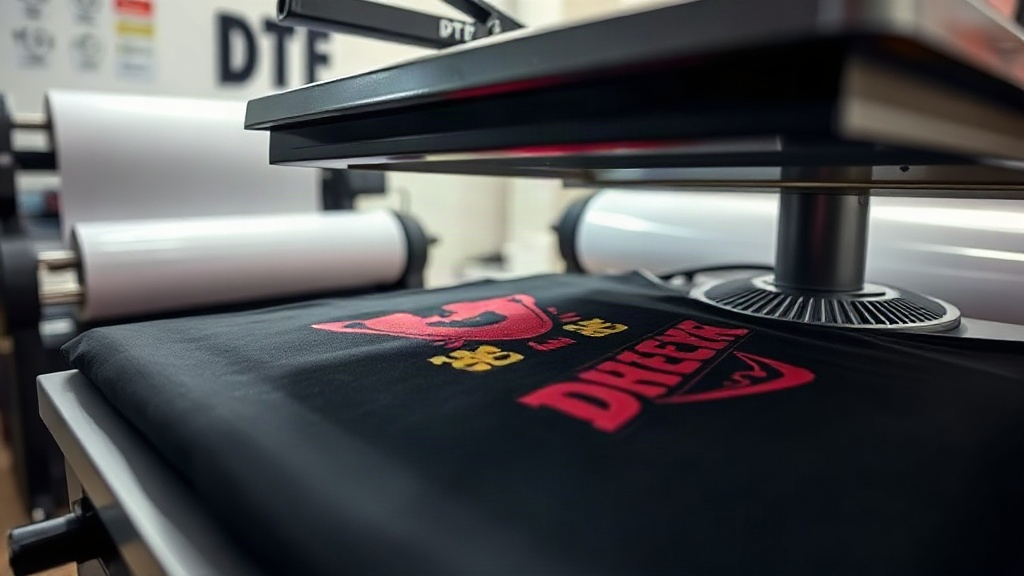
When you sell custom apparel online, the printing method you choose can make or break your business. You need something that delivers vibrant colors, works on multiple fabric types, and doesn't require a huge upfront investment. Enter DTF printing, or Direct to Film. This technology has been quietly revolutionizing the print on demand (POD) industry, and for good reason. Unlike traditional methods that limit you to certain materials, DTF opens up a world of possibilities, from cotton and polyester to blends and even nylon. In this guide, we'll dive deep into DTF printing: what it is, how it works, and why it might be the perfect fit for your POD business.
What is DTF Printing?
DTF stands for Direct to Film. It's a printing process where your design is printed onto a special film, coated with a adhesive powder, and then heat-pressed onto the fabric. The result is a soft, stretchable, and durable print that can withstand repeated washing. Unlike DTG (Direct to Garment), which prints directly onto the fabric, DTF transfers the design from a film, allowing for greater versatility in fabric choice. This method has gained massive popularity among POD sellers because it eliminates the need for cutting machines, weeding, and multiple screens. Plus, it works on a wide range of materials, including dark and light colors, without the need for pre-treatment in many cases.
How Does DTF Printing Work?
The DTF process involves several key steps. First, your design is printed onto a PET film using specialized DTF inks. These inks are typically pigment-based and include a white layer that acts as a base, allowing the colors to pop on any fabric color. After printing, a thermoplastic powder (often called hot melt adhesive) is applied to the wet ink. The film is then cured, usually with a heat press or a curing oven, to melt the powder and create a solid adhesive layer. Once cured, the transfer is ready to be applied. You simply place it on your garment, cover it with a protective sheet, and press it with a heat press at the recommended temperature and time. After pressing, you peel off the film (hot or cold peel, depending on the film type), and your design is permanently bonded to the fabric.
Key Components of DTF Printing
- DTF Printer: A specialized printer that uses DTF inks. Many are modified Epson printers.
- DTF Inks: Pigment-based inks including CMYK and white.
- PET Film: The transfer medium. Available in rolls or sheets.
- Adhesive Powder: A thermoplastic powder that bonds the ink to the fabric.
- Heat Press: For curing the powder and applying the transfer.
Why DTF Printing is a Game-Changer for Print on Demand
Print on demand is all about efficiency and flexibility. You want to offer a wide range of products without holding inventory. DTF printing fits perfectly into this model. Here's why:
- No Minimums: You can print one-off designs without setup costs. Perfect for custom orders.
- Fabric Versatility: Works on cotton, polyester, blends, nylon, leather, and more. You're not limited to 100% cotton like with DTG.
- Vibrant Colors: The white base layer ensures colors are bright and opaque, even on dark garments.
- Durability: Prints are stretchable and resistant to cracking and fading. They last as long as the garment.
- Cost-Effective: Lower startup costs compared to screen printing or DTG. No need for pre-treatment in many cases.
- Speed: Once you have a workflow, you can produce transfers quickly and apply them on demand.
For POD sellers, this means you can offer more products, cater to more customers, and keep your customers happy with high-quality prints.
DTF vs DTG: Which is Better for Your Business?
Both DTF and DTG have their place in the POD world, but they cater to different needs. DTG is excellent for 100% cotton garments and produces a soft, breathable print. However, it requires pre-treatment, and the colors may not be as vibrant on dark fabrics. DTF, on the other hand, works on almost any fabric, doesn't require pre-treatment (though some fabrics benefit from it), and delivers consistent, vibrant results. The choice depends on your product range. If you offer a variety of fabrics, DTF is likely the better choice. If you specialize in cotton tees, DTG might suffice. Many sellers use both to cover all bases.
When to Choose DTF Over DTG
- You want to print on polyester, blends, or nylon.
- You need vibrant colors on dark garments without pre-treatment.
- You want to avoid the mess and time of pre-treatment.
- You plan to offer a wide range of products beyond cotton tees.
Getting Started with DTF Printing: A Step-by-Step Guide
Ready to integrate DTF into your POD workflow? Here's a practical roadmap.
- Choose Your Equipment: Decide on a printer, heat press, and supplies. You can start with a converted Epson printer and a decent heat press.
- Select Your Film and Powder: Not all films and powders are created equal. Test different brands to find what works best for your fabrics.
- Master the Printing Process: Learn to print the film correctly, apply powder evenly, and cure properly. Practice makes perfect.
- Perfect Your Heat Press Settings: Temperature, pressure, and time are critical. Start with manufacturer recommendations and adjust.
- Test, Test, Test: Wash tests are essential. Ensure your prints withstand repeated washing without cracking or fading.
- Integrate with Your POD Platform: If you dropship, you'll need to produce transfers and apply them yourself or partner with a fulfillment center that offers DTF.
Common Challenges and How to Overcome Them
DTF printing isn't without its hurdles. Here are some common issues and solutions:
- Clogged Printheads: Regular maintenance and daily printing prevent clogs. Use a humidifier if needed.
- Inconsistent Powder Application: Invest in a powder shaker or apply manually with care. Too much powder leads to a rough feel; too little causes poor adhesion.
- Color Accuracy: Calibrate your printer and use ICC profiles. Test prints are your friend.
- Adhesion Issues: Ensure proper curing and pressing parameters. Some fabrics require pre-treatment.
With a bit of practice, you'll overcome these challenges and produce professional-quality transfers.
DTF Printing on Different Fabrics: What You Need to Know
One of the biggest advantages of DTF is its compatibility with various fabrics. Here's a quick rundown:
- Cotton: Excellent adhesion, vibrant colors. No pre-treatment needed.
- Polyester: Works well, but be cautious with heat settings to avoid dye migration. Use low-temperature powder or a barrier.
- Blends: Generally good, but test to ensure durability.
- Nylon: Possible, but may require pre-treatment for best results.
- Leather: Can be done, but use low temperature and pressure.
Always test on a scrap piece before pressing onto a finished garment.
Frequently Asked Questions About DTF Printing
How long do DTF prints last?
With proper application and care, DTF prints can last as long as the garment itself. They are stretchable and resistant to cracking and fading. Wash inside out in cold water and avoid bleach to prolong life.
Can I use DTF on dark colors?
Yes! DTF is ideal for dark colors because the white ink layer provides a bright base. You don't need to pre-treat the fabric, making it a fast and easy solution.
Do I need a special printer for DTF?
You need a printer that uses DTF inks and has a white ink channel. Many sellers convert Epson printers for this purpose. Alternatively, you can buy dedicated DTF printers.
Is DTF printing cost-effective for small businesses?
Absolutely. With no minimums and low setup costs, DTF is perfect for small businesses and startups. You can print one-offs and scale as you grow.
What is the difference between DTF and DTG?
DTG prints directly onto the fabric, while DTF prints onto a film that is then transferred. DTF works on more fabrics and doesn't require pre-treatment, but DTG may offer a softer feel on cotton.
As you can see, DTF printing is a powerful tool for print on demand sellers. It offers versatility, durability, and vibrant results that keep customers coming back. Whether you're just starting or looking to expand your product line, DTF is worth considering. With the right equipment and a bit of practice, you'll be producing high-quality custom apparel in no time.