
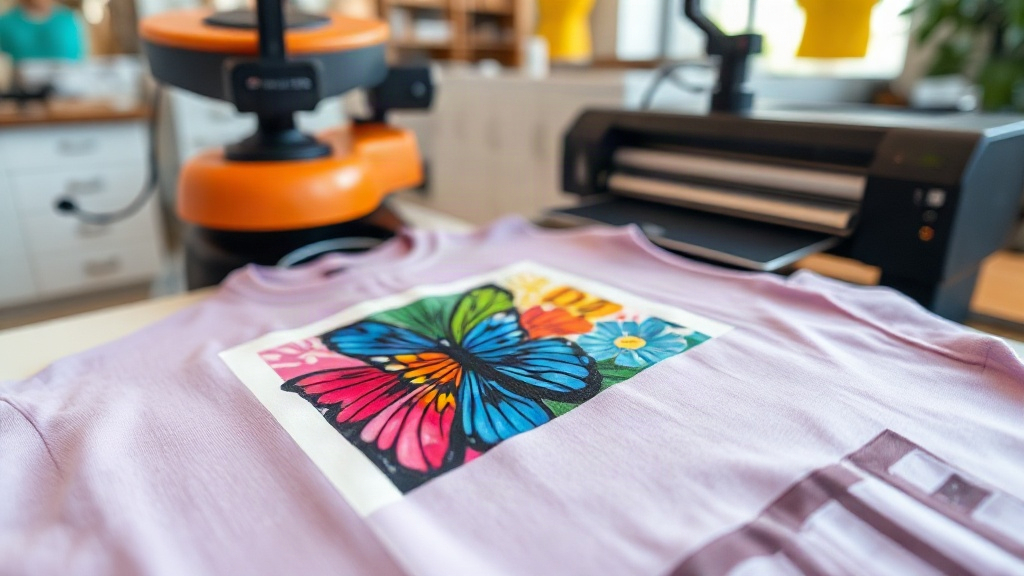
When I first started my print-on-demand shop, I was overwhelmed by the choices: screen printing, DTG, sublimation, vinyl. Each had its own quirks and limitations. Then I stumbled upon DTF transfers, and it felt like someone had handed me a master key. Not only did it solve my color-matching nightmares, but it also let me print on fabrics I'd previously written off. If you're in the custom apparel game, whether you're a solo entrepreneur or scaling a brand, understanding DTF transfers can open up a world of possibilities.
What Are DTF Transfers?
DTF stands for Direct to Film. It's a printing method where your design is printed onto a special film, coated with a powder adhesive, and then heat-pressed onto the fabric. Unlike DTG (Direct to Garment), which prints directly onto the shirt, DTF uses a transfer step. This might sound like an extra hassle, but it's actually a huge advantage: you can print on almost any fabric, including cotton, polyester, blends, and even nylon. Plus, the colors are incredibly vibrant and durable.
Here's the basic process: First, you print your design onto a PET film using specialized DTF inks (usually CMYK plus white). While the ink is still wet, you sprinkle a hot-melt adhesive powder over it. After shaking off the excess, the film goes through a curing oven or heat press to melt the powder. Once cooled, the transfer is ready to be applied to your garment with a heat press. The result? A soft, stretchable print that can withstand dozens of washes without cracking or fading.
Why DTF Transfers Are a Game-Changer for Print-on-Demand
Print-on-demand is all about efficiency, variety, and low upfront costs. DTF transfers check all those boxes and more. Let's break down the benefits:
- No color limitations: Unlike DTG, which struggles with white ink on dark fabrics, DTF lays down a white base layer, so your colors pop on any background.
- Fabric versatility: You're not limited to cotton. Polyester, blends, and even treated nylon work beautifully.
- Durability: DTF prints are known for their stretch and wash resistance. They won't crack or peel easily.
- Cost-effective for small batches: You can produce a single transfer or thousands without the setup costs of screen printing.
- Easy to store and ship: Transfers are lightweight and can be stored for months, making them perfect for on-demand fulfillment.
I remember the first time I used DTF on a 50/50 poly-cotton tee. The colors were so bright I had to double-check I wasn't looking at a sublimated shirt. My customer was thrilled, and that order led to five more referrals. That's the kind of impact DTF can have.
DTF vs. Other Printing Methods: A Quick Comparison
To help you decide if DTF is right for your business, here's how it stacks up against common alternatives:
DTF vs. DTG
DTG is fantastic for 100% cotton and small details, but it often requires pre-treatment and can look faded on dark shirts. DTF, on the other hand, delivers opaque, vivid prints on any color and fabric. DTG might be simpler for a one-step process, but DTF's versatility wins for many POD sellers.
DTF vs. Screen Printing
Screen printing is cost-effective for large orders but has setup fees and is impractical for single items. DTF has no minimums and no setup, making it ideal for just-in-time production. The print feel is slightly thicker than screen printing, but modern DTF films are very thin and soft.
DTF vs. Sublimation
Sublimation only works on polyester and requires the fabric to be light-colored (or specially coated). DTF works on cotton and dark fabrics, giving you far more freedom. Sublimation prints are permanent but can be dull on cotton; DTF stands out with its vibrancy.
How to Get Started with DTF Transfers in Your Print-on-Demand Business
Ready to dive in? Here's a step-by-step guide to integrating DTF into your workflow:
- Choose your equipment: You'll need a DTF printer (or a supplier who provides transfers), a heat press, and a curing oven (or a heat press for curing). For beginners, outsourcing transfers to a reliable supplier is a smart way to test the waters.
- Design with DTF in mind: Avoid super fine details and gradients that might not translate well. Bold, high-contrast designs work best. Also, remember that DTF prints have a slight hand (feel), so large solid areas can feel a bit heavy.
- Master the application process: Temperature, pressure, and time are critical. Typically, you'll press at 300-325°F for 10-15 seconds with medium pressure. Always follow your transfer supplier's recommendations.
- Test, test, test: Before offering DTF to customers, test on different fabrics and wash cycles. I keep a log of every combination to ensure consistency.
- Market your new capability: Highlight that you can print on any color and fabric. Create samples to show off the durability and vibrancy.
Common Challenges and How to Overcome Them
DTF isn't without its learning curve. Here are a few hurdles I've faced and how to tackle them:
- Adhesive powder mess: It gets everywhere. Use a dedicated workspace and a powder shaker to minimize waste.
- Film storage: Keep transfers in a cool, dry place. Humidity can ruin them.
- Color management: Invest in a good ICC profile for your printer to ensure accurate colors.
- Press marks: Sometimes the heat press can leave a faint outline. Using a Teflon sheet or parchment paper can prevent this.
One time, I rushed a batch and didn't cure the powder properly. The prints washed off after two cycles. Lesson learned: never skip the curing step. Now I double-check every transfer before it goes out.
Is DTF Right for Your Business?
If you're a print-on-demand seller who wants to offer vibrant, durable prints on a wide range of garments without huge upfront costs, DTF transfers are absolutely worth considering. They've allowed me to say "yes" to more customer requests and expand my product line. Whether you're printing for a niche audience or running a full-scale POD operation, DTF can be a valuable addition to your toolkit.
Frequently Asked Questions About DTF Transfers
How long do DTF transfers last?
With proper application and care, DTF transfers can last 50+ washes without fading or cracking. Always wash inside out in cold water and avoid bleach.
Can I use DTF transfers on 100% polyester?
Yes! DTF works great on polyester, including athletic wear. Just be mindful of the heat setting to avoid scorching.
Do I need a special printer for DTF?
You need a DTF printer that uses DTF inks and can handle the film. Alternatively, you can buy pre-printed transfers from a supplier, which is a low-cost way to start.
What fabrics can I apply DTF transfers to?
DTF adheres to cotton, polyester, blends, nylon, and even leather. It's one of the most versatile transfer methods available.
How do I store unused DTF transfers?
Keep them in a cool, dry place, away from direct sunlight. A ziplock bag with a desiccant pack works well for long-term storage.