
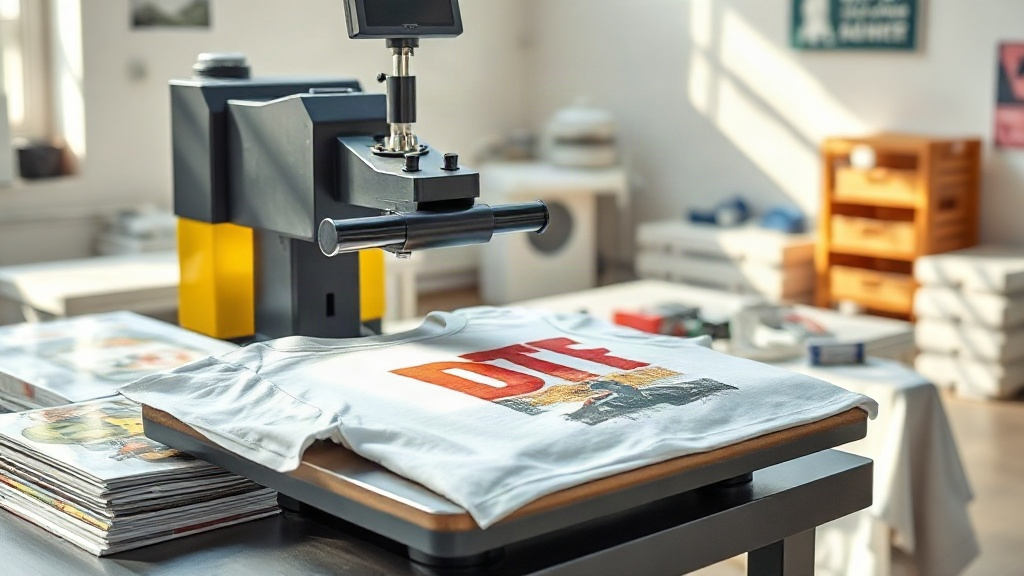
Imagine pressing a button and watching a full-color design come to life on a cotton t-shirt, a polyester tote bag, or even a denim jacket. That's the magic of DTF transfers, a digital printing technology that's quickly becoming a favorite among crafters, small business owners, and DIY enthusiasts. Unlike traditional methods that require multiple steps and specific fabrics, DTF transfers offer a streamlined way to create durable, vibrant prints on almost any material. In this guide, we'll walk you through everything you need to know about DTF transfers, from the basics to pro tips, so you can start creating your own custom apparel with confidence.
What Are DTF Transfers?
DTF stands for Direct-to-Film. It's a printing process where your design is printed onto a special PET film using a DTF printer and water-based inks. After printing, a hot-melt adhesive powder is applied to the wet ink, and the film is cured. The result is a transfer that can be stored and later applied to fabrics using a heat press. The magic happens when the adhesive melts and bonds the ink to the fabric, creating a flexible, stretchable print that feels soft to the touch.
DTF transfers differ from DTG (Direct-to-Garment) because you print on film first, not directly on the garment. This allows for more versatility in fabric choice and easier production for small batches. It also eliminates the need for pre-treatment, which is often required in DTG printing.
Why Choose DTF Transfers?
There are plenty of reasons why DTF transfers have gained popularity. Here are some key benefits:
- Fabric versatility: Works on cotton, polyester, blends, leather, denim, and even nylon. No need to worry about fabric content.
- Vibrant colors: DTF printers use CMYK plus white ink, allowing for bright, opaque designs on both light and dark garments.
- Durability: When applied correctly, DTF prints withstand repeated washing without cracking, peeling, or fading.
- No weeding: Unlike vinyl, there's no tedious weeding process. Just print, powder, cure, and press.
- Cost-effective for small batches: Perfect for one-off designs or small runs, as there's no minimum order quantity.
Whether you're running a side hustle or just making gifts for friends, DTF transfers offer a professional look without the steep learning curve.
The DTF Transfer Process Step by Step
Getting started with DTF transfers involves a few key steps. Here's what you need to know:
1. Design Preparation
Create your design in your favorite graphic software (Photoshop, Illustrator, Canva). Remember to mirror the image horizontally before printing, as the transfer will be flipped when pressed. Save your design as a high-resolution PNG or TIFF with a transparent background. The DTF printer will lay down a white ink base, so you don't need to worry about the background color of the garment.
2. Printing
Load your DTF printer with PET film and DTF inks. Print your design. The printer will first lay down white ink, then CMYK colors on top. This ensures the colors pop on any fabric. After printing, the film will have a wet, tacky ink layer.
3. Powdering and Curing
While the ink is still wet, sprinkle hot-melt adhesive powder evenly over the design. Shake off excess powder. Then, cure the film in a heat press or oven at around 160°C (320°F) for 2-3 minutes, or until the powder melts and becomes glossy. This step is crucial for creating a durable bond.
4. Heat Pressing
Set your heat press to 160°C (320°F) with medium pressure. Place the transfer on your garment, adhesive side down. Press for 10-15 seconds. Let it cool completely before peeling off the film. For a softer feel, you can peel while warm, but cold peel often gives sharper details.
5. Post-Pressing (Optional)
For extra durability, cover the design with a Teflon sheet or parchment paper and press again for 5-10 seconds. This helps the adhesive fully bond with the fabric.
Tips for Perfect DTF Transfers
To get the best results, keep these tips in mind:
- Use quality film: Not all PET films are created equal. Invest in film designed specifically for DTF printing to avoid curling or jamming.
- Control moisture: Humidity can affect powder adhesion. Store film and powder in a dry place.
- Test your press: Every heat press is different. Do a test press to find the ideal time, temperature, and pressure for your setup.
- Wash inside out: To prolong the life of your DTF prints, wash garments inside out in cold water and tumble dry low.
Common Applications of DTF Transfers
DTF transfers are incredibly versatile. Here are some popular uses:
- Custom t-shirts for events, teams, or businesses
- Personalized tote bags and backpacks
- Branded workwear and uniforms
- Denim jackets with intricate designs
- Sports jerseys with names and numbers
The possibilities are endless, limited only by your imagination.
Frequently Asked Questions About DTF Transfers
How long do DTF transfers last?
With proper application and care, DTF transfers can last as long as the garment itself. They are resistant to cracking, peeling, and fading, even after multiple washes. Following the washing instructions will ensure longevity.
Can I use DTF transfers on dark fabrics?
Absolutely! DTF transfers are ideal for dark fabrics because the white ink base provides opacity, making colors stand out vibrantly. You don't need to adjust your design for dark garments.
Do I need a special printer for DTF transfers?
Yes, you need a DTF printer that uses DTF inks and can print on PET film. However, you can also purchase pre-printed DTF transfers from suppliers if you don't want to invest in a printer.
What is the difference between DTF and DTG?
DTG prints directly onto the garment, while DTF prints onto a film that is then transferred. DTF works on more fabric types and doesn't require pre-treatment, but DTG can be more cost-effective for large runs on cotton.
How do I store unused DTF transfers?
Store them in a cool, dry place away from direct sunlight. Keep them flat to prevent curling. Properly stored transfers can last for several months.
DTF transfers have opened up a world of possibilities for custom apparel. Whether you're a hobbyist or a business owner, this technology offers a reliable, high-quality way to bring your designs to life. Give it a try and see the difference for yourself.