
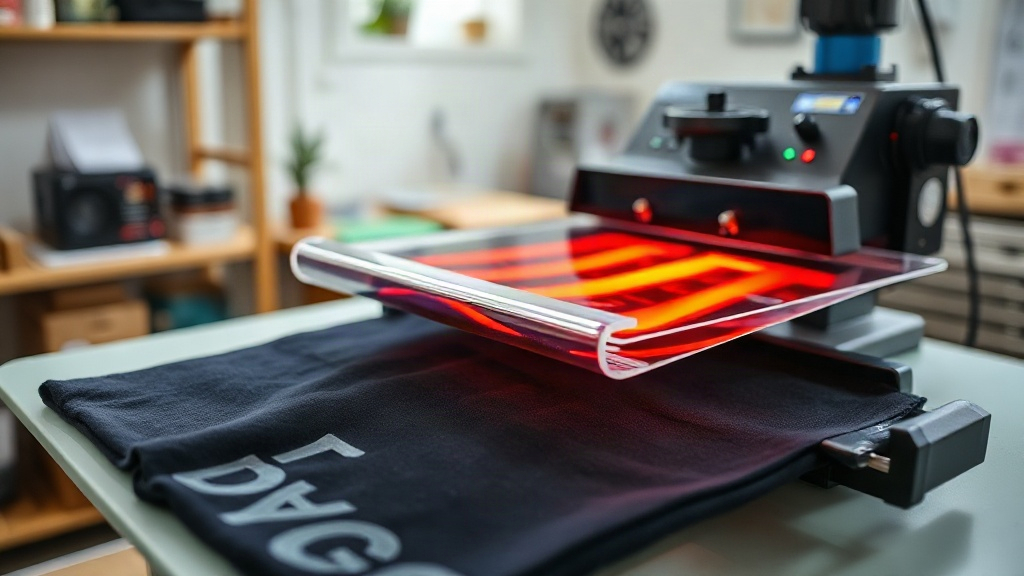
If you've been in the custom apparel game for any length of time, you've likely heard the buzz around DTF transfers. Maybe you're a small business owner looking to expand your product line, or a DIY enthusiast wanting to create professional-looking shirts at home. Either way, understanding what DTF transfers are and how to use them can open up a world of possibilities for vibrant, durable prints on almost any fabric.
In this guide, we'll dive deep into DTF transfers: what they are, how they compare to other methods, step-by-step application, and troubleshooting tips. By the end, you'll have the knowledge to decide if DTF is right for your projects and how to get the best results.
What Are DTF Transfers?
DTF stands for Direct-to-Film. It's a printing technology where your design is printed onto a special film, coated with a adhesive powder, and then heat-pressed onto the fabric. Unlike DTG (Direct-to-Garment) or screen printing, DTF transfers don't require the fabric to be pre-treated, and they work on a wide range of materials including cotton, polyester, blends, and even leather.
The process involves a specialized printer that lays down white ink as a base, followed by CMYK colors, and finally a layer of adhesive powder. When heat is applied, the powder melts and bonds the ink to the fabric, creating a flexible, stretchable print that feels soft to the touch.
Why Choose DTF Transfers Over Other Printing Methods?
There are several compelling reasons why DTF transfers have become a go-to for many professionals and hobbyists alike.
- Versatility: DTF works on almost any fabric, including dark colors and synthetic materials, without the need for multiple screens or pre-treatment.
- Durability: When applied correctly, DTF prints resist cracking, peeling, and fading even after multiple washes.
- Detail and Color: DTF can reproduce intricate details and vibrant colors, making it ideal for complex designs and photographs.
- Cost-Effective for Short Runs: Unlike screen printing, there's no setup cost per color, so short runs and one-offs are economical.
- Soft Feel: The prints are thin and flexible, so they don't feel like a heavy plastic layer on the garment.
Of course, no method is perfect. DTF can have a slight hand feel compared to DTG on 100% cotton, and the film can be tricky to work with until you get the hang of it. But for many applications, the benefits far outweigh the drawbacks.
DTF vs. Other Printing Methods: A Quick Comparison
To help you decide if DTF is right for you, here's how it stacks up against common alternatives.
DTF vs. DTG
DTG (Direct-to-Garment) prints directly onto the fabric, usually 100% cotton. It requires pre-treatment for dark shirts, and the print can feel stiff on heavy ink coverage. DTF, on the other hand, doesn't need pre-treatment, works on more fabrics, and often has better stretchability. However, DTG can produce a softer feel on light-colored cottons.
DTF vs. Screen Printing
Screen printing is the gold standard for large orders of simple designs. It's cost-effective at high volumes and offers excellent durability. But it requires separate screens for each color, which adds cost and time for short runs. DTF shines for small batches, complex designs, and multi-color prints without setup fees.
DTF vs. Vinyl
Heat transfer vinyl (HTV) is great for simple shapes and text, but it can't handle fine details or gradients. DTF can print full-color images with photographic quality, making it more versatile for intricate designs.
How to Apply DTF Transfers: Step-by-Step
Applying DTF transfers is straightforward, but following the right steps ensures a long-lasting result. Here's what you need to do.
What You'll Need
- DTF transfer film with your design
- Heat press (or iron with no steam)
- Parchment paper or Teflon sheet
- Garment (pre-washed if possible)
- Lint roller
Step 1: Prepare Your Workspace
Set your heat press to the recommended temperature, usually around 325°F (160°C) for DTF. Pre-heat the garment for a few seconds to remove moisture and wrinkles. Use a lint roller to remove any debris that could interfere with adhesion.
Step 2: Position the Transfer
Place the DTF transfer face-down onto the garment. Ensure it's exactly where you want it; once pressed, it's permanent. If you're using a film with a carrier sheet, the printed side should be against the fabric.
Step 3: Press
Cover the transfer with parchment paper or a Teflon sheet to protect the press. Apply medium to firm pressure for 10-15 seconds. The exact time can vary by film type, so always check the manufacturer's instructions.
Step 4: Peel and Finish
DTF transfers can be peeled either hot or cold, depending on the film. Most modern films are cold-peel, meaning you wait for the transfer to cool completely before removing the carrier sheet. Once peeled, press again for a few seconds with parchment paper to smooth the print and ensure maximum adhesion.
Common DTF Problems and How to Fix Them
Even with experience, issues can arise. Here's how to troubleshoot some common problems.
- Print peeling after wash: Usually caused by insufficient pressure, wrong temperature, or not enough powder. Increase pressure and check your heat settings.
- Cracking: Often due to over-stretching the garment before the print has fully cooled, or using too high heat. Allow the print to cool completely before stretching.
- Dull colors: May be from under-pressing or using old film. Ensure your press is at the correct temperature and the film is fresh.
- Adhesive residue on carrier sheet: This can happen if the powder wasn't fully melted. Increase press time slightly.
Remember, practice makes perfect. Try a few test presses on scrap fabric before committing to a final garment.
Tips for Getting the Best Results with DTF Transfers
To elevate your DTF game, keep these expert tips in mind.
- Store film properly: Keep unused film in a cool, dry place away from direct sunlight to prevent the adhesive from activating prematurely.
- Use quality powder: Not all adhesive powders are created equal. Invest in a reputable brand for consistent results.
- Pre-press garments: Always pre-press to remove moisture, which can cause steam and poor adhesion.
- Adjust for fabric type: Polyester may require lower temperatures to avoid scorching; cotton can handle higher heat.
- Wash inside out: Advise your customers to wash garments inside out in cold water and tumble dry low to prolong print life.
Frequently Asked Questions About DTF Transfers
How long do DTF transfers last?
With proper application and care, DTF transfers can last as long as the garment itself, often 50+ washes without significant fading or cracking. The key is following the correct heat press settings and washing instructions.
Can I use DTF transfers on dark shirts?
Absolutely. One of the biggest advantages of DTF is that it prints a white base layer, so colors pop on dark fabrics without the need for pre-treatment. This makes it ideal for black, navy, and other dark garments.
Do I need a special printer for DTF?
Yes, DTF requires a dedicated DTF printer that uses DTF inks and film. However, you can also buy pre-printed DTF transfers from suppliers and apply them with a standard heat press. This is a great option if you want to offer DTF without investing in a printer.
What fabrics work best with DTF?
DTF works on a wide range of fabrics, including cotton, polyester, blends, nylon, and even leather. It's particularly useful for polyester and synthetic blends where DTG struggles. Just be mindful of heat sensitivity; test on a small area first.
How do I remove a DTF transfer?
If you need to remove a DTF transfer, you can try applying heat again and peeling it off while hot, or using a solvent like acetone. However, removal can be difficult and may leave residue, so it's best to get it right the first time.
Final Thoughts
DTF transfers have revolutionized the custom apparel industry by offering unparalleled versatility, durability, and color vibrancy. Whether you're a business looking to expand your offerings or a hobbyist wanting to create professional-grade prints, DTF is a skill worth mastering. With the right equipment, techniques, and a bit of practice, you can achieve stunning results on a wide variety of garments.
Ready to get started? Explore our range of DTF transfer supplies and equipment at printondemandx.com and take your custom printing to the next level.