
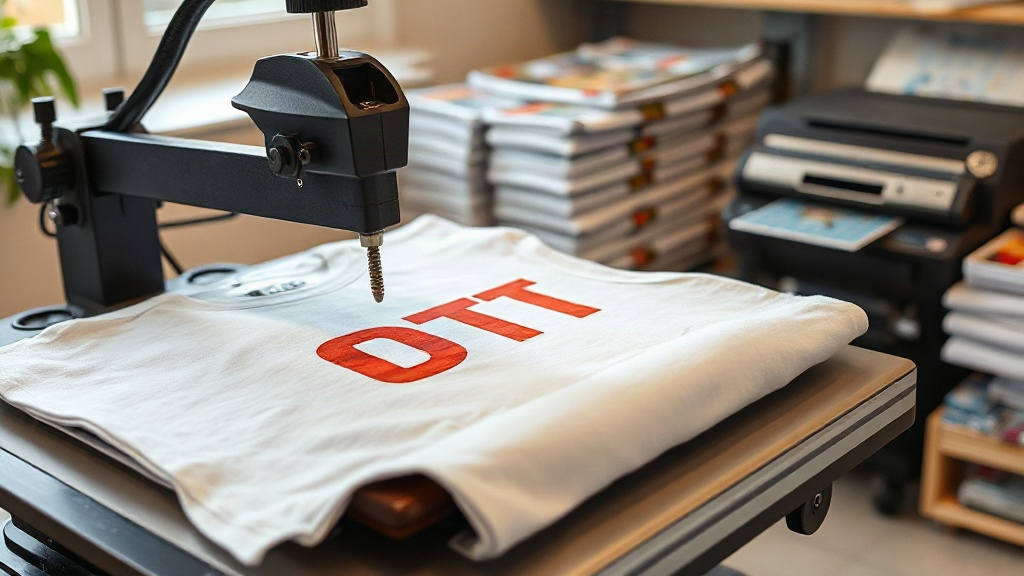
Imagine walking into a craft store, picking out a plain t-shirt, and within minutes, transforming it into a personalized masterpiece with a design that pops with color and detail. That's the power of DTF transfers. Whether you're a small business owner looking to offer custom apparel or a DIY enthusiast wanting to create unique gifts, DTF transfers have become a game-changer in the world of garment decoration. Unlike traditional methods that require multiple steps and specialized equipment, DTF transfers simplify the process while delivering professional-grade results. In this guide, we'll dive deep into what DTF transfers are, how they work, and why they might be the perfect solution for your next project.
What Are DTF Transfers?
DTF stands for Direct to Film. It's a printing technology where your design is printed onto a special film, coated with a powder adhesive, and then heat-pressed onto fabric. The result is a vibrant, durable transfer that can be applied to a wide range of materials, including cotton, polyester, blends, and even some non-fabric items like leather or canvas. Unlike DTG (Direct to Garment) printing, which requires the garment to be loaded into a printer, DTF transfers are printed separately and can be stored for later use. This flexibility makes them ideal for on-demand production, small batches, or even just experimenting with different designs.
The DTF Printing Process Explained
To create a DTF transfer, you start with a digital design. The printer lays down a layer of white ink (if needed for opacity on dark fabrics) followed by the colored inks. Then, a fine thermoplastic powder is applied to the wet ink. After shaking off the excess, the film is heated to melt the powder, creating a adhesive layer. When you're ready to apply it, you simply place the transfer on your garment and press it with a heat press. The film is peeled off (hot or cold, depending on the film type), leaving the design bonded to the fabric. The entire process is efficient and produces stunning results.
Why Choose DTF Transfers for Your Projects?
There are several reasons why DTF transfers have gained such popularity. Let's explore the key benefits that set them apart from other decoration methods.
1. Unmatched Versatility
One of the biggest advantages of DTF transfers is their ability to adhere to almost any fabric. Whether you're working with 100% cotton t-shirts, polyester athletic wear, or even blends like 50/50, DTF transfers deliver consistent results. This is a significant improvement over vinyl, which can struggle with certain materials, or DTG, which often requires pre-treatment for dark garments. Additionally, DTF transfers can be applied to non-fabric items like tote bags, hats, and even wood, opening up a world of creative possibilities.
2. Vibrant, Detailed Prints
DTF printing excels at reproducing intricate details, gradients, and photographs. The process uses CMYK inks plus white, allowing for full-color designs without the need for color separation or layering. The white ink base ensures that colors remain bright and opaque, even on dark backgrounds. This makes DTF transfers perfect for complex artwork that would be difficult to achieve with other methods.
3. Durability and Washability
When applied correctly, DTF transfers are incredibly durable. They resist cracking, peeling, and fading, even after multiple washes. The key is proper application: using the right temperature, pressure, and time. Once bonded, the design becomes part of the fabric, stretching and moving with it. This durability makes DTF transfers suitable for items that will see frequent use, like sports jerseys or work uniforms.
4. Cost-Effective for Small Batches
Traditional screen printing requires separate screens for each color, which can be expensive for small runs. DTF transfers eliminate that cost. You can print a single transfer or a hundred, and the cost per unit remains relatively low. This makes DTF an excellent choice for small businesses, startups, or individuals who want to create custom apparel without a large upfront investment.
5. Easy to Store and Ship
Unlike DTG-printed garments, which need to be printed on demand, DTF transfers can be printed in advance and stored. They have a long shelf life if kept in a cool, dry place. This means you can print a batch of transfers and apply them as needed, reducing turnaround time for orders. It also makes shipping transfers to customers or remote locations simple and cost-effective.
DTF Transfers vs. Other Printing Methods
To help you decide if DTF is right for you, let's compare it to some common alternatives.
DTF vs. DTG
DTG printing prints directly onto the garment, which limits you to cotton fabrics and requires pre-treatment for dark colors. DTF, on the other hand, works on almost any fabric and doesn't require pre-treatment. DTF also tends to have a softer feel and better durability. However, DTG can be more cost-effective for large runs on light-colored cotton garments.
DTF vs. Vinyl
Heat transfer vinyl (HTV) is great for simple designs with few colors, but it can't handle complex gradients or photographs. DTF transfers can reproduce any design with stunning detail. Vinyl also requires weeding, which is time-consuming, while DTF transfers are ready to press after printing. For intricate or multi-color designs, DTF is the clear winner.
DTF vs. Screen Printing
Screen printing is the go-to for large orders of simple designs. It offers excellent durability and a classic feel. However, it's not cost-effective for small batches or designs with many colors. DTF transfers shine in those scenarios, offering similar durability without the setup costs.
How to Apply DTF Transfers: Step-by-Step
Applying a DTF transfer is straightforward, but following the right steps ensures a professional finish.
- Preheat your heat press to the recommended temperature (usually 300-320°F or 150-160°C).
- Pre-press the garment for a few seconds to remove moisture and wrinkles.
- Place the DTF transfer on the garment with the printed side facing up.
- Press with medium to firm pressure for 10-15 seconds.
- Peel the film either hot or cold, depending on the film instructions. Most DTF films are cold peel.
- Post-press the design for a few seconds with a cover sheet to ensure maximum adhesion.
Always test on a scrap piece of fabric first to dial in your settings.
Common Mistakes to Avoid with DTF Transfers
Even though DTF is forgiving, some pitfalls can ruin your results. Here are a few to watch out for:
- Insufficient pressure: Without enough pressure, the transfer won't bond properly, leading to peeling.
- Wrong temperature: Too hot can burn the film or scorch the fabric; too cold means the adhesive won't activate.
- Not pre-pressing: Moisture in the fabric can cause steam pockets and poor adhesion.
- Peeling too early or too late: Follow the film's instructions; some require hot peel, others cold.
- Using the wrong film: Different films are designed for different fabrics (e.g., stretchy vs. rigid).
Choosing the Right DTF Transfer Supplies
Quality supplies make a big difference. Here's what to look for:
- DTF film: Look for films that offer good ink absorption and easy peeling. Brands like Supacolor and Insta are popular.
- DTF ink: Use high-quality pigment inks designed for DTF printers to ensure vibrant colors and durability.
- Adhesive powder: Choose a fine, consistent powder that melts evenly. Polyamide powders are common.
- Heat press: A reliable heat press with accurate temperature and pressure control is essential.
Investing in good supplies will save you time and frustration in the long run.
DTF Transfers for Business: Is It Profitable?
Absolutely. DTF transfers offer a low barrier to entry for starting a custom apparel business. You can print transfers on demand, which means no inventory of blank garments. You can also offer a wider range of products because DTF works on so many materials. Many entrepreneurs start with a single DTF printer and a heat press, then scale up as demand grows. The profit margins can be attractive, especially for small, personalized orders. Plus, the ability to store transfers means you can fulfill orders quickly, which is a big plus for customer satisfaction.
Frequently Asked Questions About DTF Transfers
How long do DTF transfers last?
With proper application and care, DTF transfers can last as long as the garment itself. They withstand dozens of washes without fading or cracking. To maximize longevity, wash inside out in cold water and avoid harsh detergents or high heat in the dryer.
Can I use DTF transfers on dark colors?
Yes! DTF transfers are particularly great for dark fabrics because the white ink base provides opacity, making colors pop. You don't need to pre-treat the fabric, which is a common requirement for DTG on dark shirts.
What fabrics work best with DTF transfers?
DTF transfers adhere well to cotton, polyester, cotton-poly blends, nylon, leather, and more. They are not recommended for fabrics with a heavy silicone coating or waterproof finishes, as the adhesive may not bond properly.
Do I need a special printer for DTF?
Yes, you need a DTF printer that uses DTF ink and can handle the film. However, you can also buy pre-printed DTF transfers from suppliers if you don't want to invest in a printer. Many small businesses start by outsourcing the printing and focusing on application.
How do I store DTF transfers?
Store them in a cool, dry place away from direct sunlight. Keep them flat or rolled, not folded, to prevent creases. Properly stored transfers can last for several months.
Final Thoughts
DTF transfers have opened up new possibilities for custom apparel decoration. Their versatility, durability, and ease of use make them a fantastic option for both beginners and experienced professionals. Whether you're looking to start a side hustle, promote your brand, or simply create unique gifts, DTF transfers provide a reliable and creative solution. With the right supplies and a bit of practice, you'll be producing stunning, long-lasting designs in no time. So why not give DTF transfers a try? Your imagination is the only limit.