
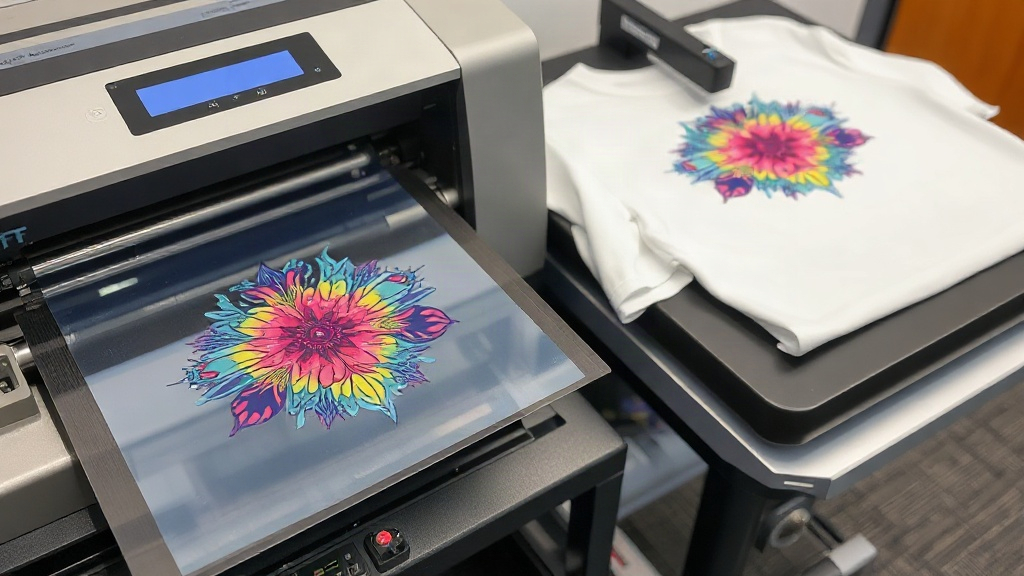
When you order a custom t-shirt with a vibrant, detailed design, have you ever wondered how that image gets onto the fabric? For many print-on-demand sellers, the answer is DTF printing. DTF, which stands for Direct to Film, is a relatively new technology that has taken the custom apparel world by storm. Unlike older methods that require special paper or pretreatment, DTF offers flexibility, durability, and stunning color reproduction. In this guide, we'll dive deep into DTF printing on demand, explore its benefits, and show you how to use it to grow your business.
What is DTF Printing?
DTF printing is a process where your design is printed onto a special film, coated with a powder adhesive, and then heat-pressed onto the fabric. The key difference from DTG (Direct to Garment) is that the design is not printed directly onto the shirt; instead, it's transferred from a film. This allows DTF to work on a wide range of fabrics, including cotton, polyester, blends, and even nylon. The result is a soft, stretchable print that can handle intricate details and gradients better than many other methods.
How Does DTF Work Step by Step?
Understanding the DTF process helps you appreciate why it's so popular. Here's a simplified breakdown:
- Design Preparation: Your artwork is prepared in specialized software, ensuring it's mirrored and properly sized.
- Printing: A DTF printer uses CMYK plus white ink to print the design onto a PET film. The white ink acts as a base, allowing the colors to pop on dark fabrics.
- Powdering: While the ink is still wet, a hot-melt adhesive powder is applied evenly over the print.
- Curing: The film passes through a curing oven or heat press to melt the powder, creating a durable bond.
- Transfer: The film is placed on the garment and heat-pressed. After cooling, the film is peeled away, leaving the design adhered to the fabric.
This multi-step process might sound complex, but with the right equipment and practice, it becomes second nature. Many print-on-demand services now offer DTF as an option because it delivers consistent results.
Why Choose DTF for Print on Demand?
If you're running a print-on-demand store, you're always looking for ways to offer high-quality products without breaking the bank. DTF printing on demand offers several advantages that make it a smart choice.
1. Unmatched Versatility
One of the biggest headaches in POD is fabric limitations. DTG works best on 100% cotton, while vinyl and sublimation have their own constraints. DTF, however, adheres to almost any fabric. This means you can offer designs on cotton tees, polyester hoodies, canvas bags, and even denim jackets without changing your process. For a POD seller, that's a huge selling point.
2. Vibrant Colors and Fine Details
DTF printers use white ink as a base, which allows colors to stand out even on dark garments. The technology also handles gradients, photographs, and fine lines with impressive accuracy. If your designs include complex artwork, DTF will reproduce them faithfully.
3. Durability and Stretchability
Because the print is transferred with a flexible adhesive, DTF prints stretch with the fabric without cracking or fading. They can withstand repeated washing and wearing, making them ideal for activewear and everyday apparel.
4. Cost-Effective for Small Batches
Unlike screen printing, which requires separate screens for each color and becomes cost-effective only at high volumes, DTF has no minimum order quantity. You can print one-off designs or small batches without setup fees. This aligns perfectly with the print-on-demand model, where you produce items only after they're ordered.
DTF vs. Other Printing Methods
To truly understand DTF's place in the market, let's compare it to other common POD printing techniques.
DTF vs. DTG
DTG prints directly onto the garment, which limits it mostly to cotton. DTF can go on many fabrics and often produces more vibrant colors on dark shirts. However, DTF requires an extra transfer step and may have a slightly different feel (a thin film layer). DTG is simpler for single-item production, but DTF wins on versatility.
DTF vs. Vinyl
Heat transfer vinyl (HTV) is great for simple shapes and text, but it can't handle complex images with gradients. DTF excels at full-color designs and photographs. Vinyl also requires weeding, which is time-consuming. DTF eliminates weeding entirely.
DTF vs. Sublimation
Sublimation only works on polyester and requires white or light-colored fabrics. DTF works on cotton and dark colors, making it more versatile. Sublimation dyes the fabric, so there's no feel, but DTF offers a soft hand as well and is more durable on cotton.
How to Get Started with DTF Printing on Demand
Ready to add DTF to your POD business? Here's a roadmap.
Choose Your Equipment
You'll need a DTF printer, which typically uses pigment inks and a white ink circulation system. Prices range from a few thousand to tens of thousands of dollars. For beginners, a smaller desktop model might suffice. You'll also need a heat press, a curing oven (or a heat press for curing), and DTF film and powder.
Master the Workflow
Practice the steps: printing, powdering, curing, and pressing. Each stage has variables like temperature, pressure, and time. Keep a log of your settings for different fabrics to ensure consistency.
Integrate with Your POD Platform
If you're using a POD service like Print on Demand X, check if they offer DTF as a printing option. Many platforms now include DTF in their catalog. If you're doing it in-house, you'll need to set up your store to accept orders and manage production.
Design for DTF
While DTF handles details well, keep in mind that very fine lines might get lost. Use high-resolution images (300 DPI) and avoid semi-transparent areas unless you want the shirt color to show through. Also, consider the size: larger prints require more film and powder, so factor that into your pricing.
Common Mistakes to Avoid
Even experienced printers make mistakes. Here are pitfalls to watch for.
- Insufficient powdering: If you don't apply enough adhesive powder, the print may peel. Too much powder can create a rough texture.
- Incorrect curing: Under-curing leads to washing off; over-curing can yellow the film or damage the adhesive.
- Wrong pressure: Too little pressure and the design won't adhere; too much and the design can spread or lose detail.
- Ignoring fabric type: While DTF works on many fabrics, some (like highly textured or waterproof) may need special film or techniques.
Test on scrap fabric before pressing a customer's order. It saves time and money.
Is DTF Printing Right for Your Business?
If you offer a variety of apparel and want to stand out with high-quality, durable prints, DTF is worth considering. It's especially beneficial if you sell on multiple platforms or want to experiment with different fabric types. The initial investment might be higher than some methods, but the versatility and quality can lead to repeat customers and higher margins.
For those who prefer a hands-off approach, partnering with a print-on-demand provider that offers DTF can be a smart move. You focus on marketing and design while they handle production.
Frequently Asked Questions
What is DTF printing and how does it differ from DTG?
DTF (Direct to Film) involves printing your design onto a film, applying adhesive powder, and heat-pressing it onto the fabric. DTG (Direct to Garment) prints directly onto the garment. DTF works on more fabrics and often yields more vibrant colors on dark items, while DTG is typically limited to cotton.
Can I use DTF on any fabric?
DTF adheres to most fabrics, including cotton, polyester, blends, nylon, and even leather. However, some highly stretchy or coated fabrics may require special films or adjusted settings. Always test first.
How durable is a DTF print?
When properly applied, DTF prints are very durable. They can withstand dozens of washes without cracking or fading. Following care instructions (washing inside out, avoiding high heat) will extend the life of the print.
Do I need a special printer for DTF?
Yes, DTF requires a printer that uses DTF inks (CMYK plus white) and a powder application system. You can buy dedicated DTF printers or convert certain inkjet printers with DTF kits. For best results, invest in a purpose-built machine.
Is DTF printing cost-effective for small orders?
Absolutely. Unlike screen printing, there are no setup fees or minimums. You can print a single item profitably. The cost per print decreases with volume, but even one-off orders are viable.
Where can I find DTF printing services for my POD store?
Many print-on-demand companies now offer DTF as a printing option. Check their catalog for DTF products. If you're doing it in-house, you can source equipment and supplies from various vendors online.