
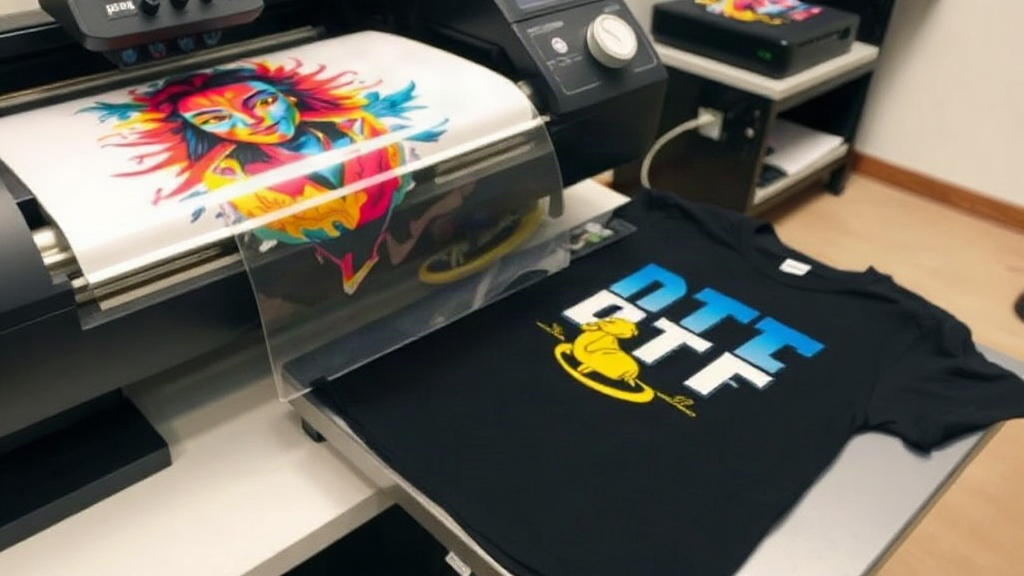
Imagine a printing method that lets you transfer full-color, highly detailed designs onto almost any fabric, from cotton to polyester, without the hassle of pre-treatment or weeding. That's DTF printing, and it's transforming the print-on-demand industry. Whether you're a seasoned POD seller or just starting out, understanding DTF technology can give you a competitive edge in creating custom apparel that customers love.
In this guide, we'll walk you through what DTF printing is, how it works, its advantages over other methods, and how you can leverage it to grow your business. We'll also share practical tips and answer common questions to help you make informed decisions.
What is DTF Printing?
DTF stands for Direct-to-Film. It's a printing technique where your design is printed onto a special film, coated with a hot-melt adhesive powder, and then heat-pressed onto the fabric. Unlike DTG (Direct-to-Garment), which prints directly onto the garment, DTF uses a transfer film as an intermediary. This allows for greater versatility in fabric types and colors.
The process involves four main steps: printing, powdering, curing, and pressing. First, a digital printer prints your design onto a PET film using specialized DTF inks. Then, a powder shaker applies adhesive powder to the wet ink. After that, the film is cured in an oven or with a heat gun to melt the powder. Finally, the film is placed on the fabric and heat-pressed, transferring the design permanently.
Because the design sits on top of the fabric rather than being absorbed into it, DTF prints tend to be more vibrant and opaque, especially on dark garments. This makes it a favorite for bold graphics, photorealistic images, and intricate details.
Why DTF Printing is a Game-Changer for Print on Demand
Print on demand has always been about flexibility and low risk. DTF takes that to the next level. Here's why it's a game-changer:
- No weeding or masking: Unlike vinyl or screen printing, DTF doesn't require manual cutting or weeding. You print, powder, and press. That saves hours of labor.
- Works on almost any fabric: Cotton, polyester, blends, canvas, denim, even leather. DTF adheres to a wide range of materials, giving you endless product possibilities.
- Unlimited colors: Because it's a digital process, you can print full-color designs without worrying about color separations or minimum orders.
- Durability: When applied correctly, DTF transfers are wash-resistant and stretchable, outlasting many other decoration methods.
- Cost-effective for short runs: No setup fees or minimums make DTF ideal for one-off items or small batches, perfect for POD.
These benefits mean you can offer a wider range of products, from t-shirts and hoodies to tote bags and hats, without investing in expensive equipment or inventory.
DTF vs. Other Printing Methods
To appreciate DTF, it helps to compare it with other common printing methods used in POD.
DTF vs. DTG
DTG prints directly onto the garment, which works best on 100% cotton. It can be softer to the touch but may fade on dark colors without a pre-treatment. DTF, on the other hand, can be used on any fabric and produces more vibrant colors on darks. However, DTF prints have a slightly thicker feel due to the adhesive layer.
DTF vs. Screen Printing
Screen printing is cost-effective for large orders but requires setup and minimum quantities. DTF shines for small batches and complex designs with gradients. No screens, no mess.
DTF vs. Sublimation
Sublimation only works on polyester or specially coated items and results in no texture, but colors can be less vibrant on cotton. DTF works on cotton and blends, offering vibrant colors with a slight hand feel.
Each method has its place, but DTF offers a unique blend of versatility, quality, and simplicity that's hard to beat for POD.
How to Integrate DTF into Your Print-on-Demand Business
Ready to add DTF to your offerings? Here's a step-by-step approach.
1. Choose Your Equipment
You'll need a DTF printer, DTF film, DTF ink, adhesive powder, and a heat press. Printers range from desktop models to industrial machines. For starters, a desktop DTF printer like the Epson F2100 converted for DTF or a dedicated DTF printer from brands like Roland or Mutoh can work. Ensure you have a reliable heat press capable of reaching 320°F (160°C) and applying consistent pressure.
2. Source Quality Supplies
Not all DTF films and powders are created equal. Look for films with a consistent coating and powders with a fine particle size for smooth transfers. Cheap supplies can lead to clogs, poor adhesion, or faded prints. Test different brands to find what works best with your printer.
3. Master the Process
Printing: Use RIP software to manage color profiles and print your design onto the film. Powdering: Apply powder evenly using a shaker or manually. Curing: Melt the powder at around 320°F for 2-3 minutes. Pressing: Set your heat press to 320°F, press for 10-15 seconds with medium pressure. Peel the film either hot or cold depending on the film type.
Practice on scrap fabric to dial in your settings. Temperature, pressure, and time are critical for durability.
4. Design for DTF
DTF excels with detailed, multi-color designs. Avoid very fine lines or tiny text that might not hold up. Use high-resolution images (300 DPI) and consider adding a white underbase for dark garments to make colors pop.
5. Market Your New Capabilities
Promote your DTF printing services on your POD site. Highlight that you can print on any fabric, offer full-color designs, and have no minimums. Create mockups showing vibrant prints on various products to attract customers.
Common Challenges and How to Overcome Them
Even with a great setup, you might face issues. Here are some common problems and solutions.
- Clogged printheads: Regular cleaning and maintenance are key. Use a daily cleaning routine and store your printer properly.
- Poor adhesion: Ensure your powder is fully cured and your heat press settings are correct. Also, pre-press the garment to remove moisture.
- Faded colors after washing: Use quality inks and follow the correct curing and pressing parameters. Advise customers to wash inside out in cold water.
- Film curling: Store film in a dry place and avoid humidity. Use a film holder during printing.
With a bit of troubleshooting, you can achieve consistent, professional results.
Is DTF Printing Right for Your Business?
If you're in the print-on-demand space, DTF printing offers a compelling mix of flexibility, quality, and cost-efficiency. It allows you to offer a wider range of products, from dark-colored apparel to non-traditional items like bags and hats. As the technology continues to evolve, DTF is becoming more accessible and affordable, making it a viable option for small businesses and solo entrepreneurs.
However, it's not a magic bullet. You'll need to invest time in learning the process, maintaining equipment, and sourcing quality supplies. But for many POD sellers, the benefits far outweigh the challenges.
Frequently Asked Questions
What fabrics can I use with DTF printing?
DTF works on a wide range of fabrics including cotton, polyester, blends, canvas, denim, and even leather. It's one of the most versatile printing methods available.
How durable is a DTF print?
When applied correctly, DTF prints are very durable and can withstand multiple washes. They may crack or fade over time if not properly cured or if washed in hot water. Always follow care instructions.
Do I need a special printer for DTF?
Yes, you need a printer that is compatible with DTF inks and film. Some people convert standard inkjet printers, but dedicated DTF printers are recommended for best results.
Can I use DTF on dark garments?
Absolutely. DTF is excellent for dark garments because the white ink layer provides a bright underbase, making colors vibrant. You don't need a separate white toner or pre-treatment.
How do I get started with DTF printing on a budget?
Start with a small desktop DTF printer and a basic heat press. Purchase sample packs of film and powder to test. As your business grows, you can upgrade to more advanced equipment. Consider outsourcing DTF transfers initially if you want to test the market before investing in equipment.
With the right approach, DTF printing can become a profitable addition to your print-on-demand offerings, delighting customers with high-quality, custom apparel.