
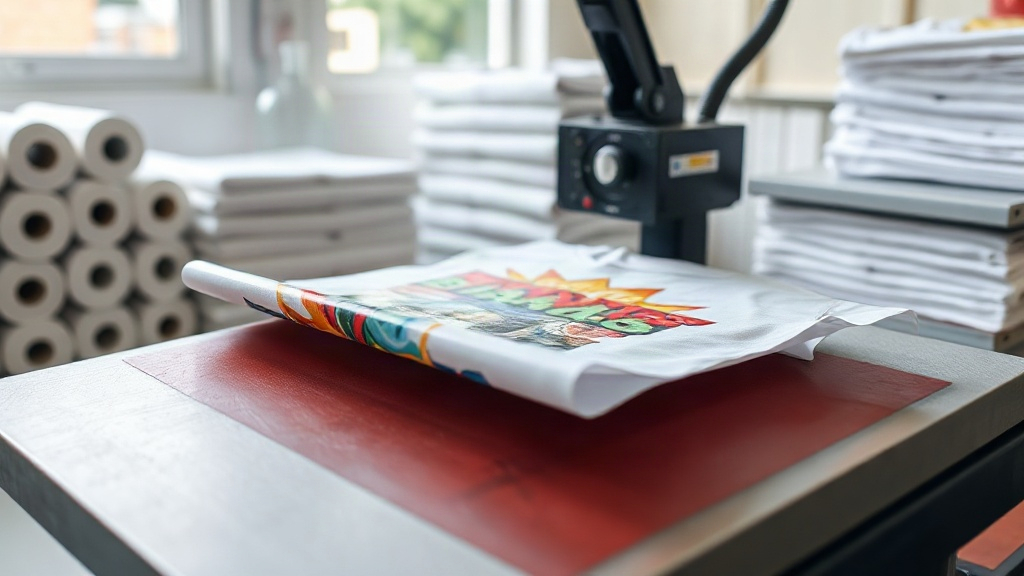
When it comes to decorating apparel with vibrant, long-lasting designs, DTF transfers have emerged as a game-changer. Unlike traditional methods that often struggle with complex artwork or dark fabrics, DTF transfers deliver exceptional detail and color intensity on virtually any material. Whether you're a small business owner looking to offer custom t-shirts or a DIY enthusiast wanting to personalize your wardrobe, understanding DTF transfers can open up a world of creative possibilities. In this guide, we'll walk you through everything you need to know about DTF transfers, from the basics of the process to expert tips for flawless application.
What Are DTF Transfers?
DTF stands for Direct to Film. It's a printing technology where your design is printed onto a special film, coated with a heat-activated adhesive powder, and then transferred onto fabric using a heat press. The result is a soft, stretchable print that bonds permanently to the material. DTF transfers are known for their ability to reproduce intricate details, gradients, and photographic images with stunning accuracy. They work on a wide range of fabrics, including cotton, polyester, blends, and even nylon, making them incredibly versatile.
The process involves several key steps: designing your artwork, printing it onto the film using specialized inks, applying the adhesive powder, and curing the print. Once prepared, the transfer is placed on the garment and pressed with heat and pressure. After cooling, the film is peeled away, leaving a vibrant, durable design. This method has gained popularity because it eliminates the need for weeding and layering, which are common in vinyl cutting, and it produces results that rival screen printing for complex designs.
Why Choose DTF Transfers Over Other Methods?
If you're wondering whether DTF transfers are right for your project, consider these advantages:
- Unmatched detail and color: DTF transfers can print fine lines, small text, and photorealistic images with ease. Unlike vinyl, there's no limit to the number of colors or complexity.
- Fabric versatility: They adhere well to cotton, polyester, blends, and even treated nylon. This makes them ideal for a wide range of apparel, from t-shirts to hoodies and tote bags.
- Durability: When applied correctly, DTF transfers withstand repeated washing without cracking, peeling, or fading. The print stretches with the fabric, so it won't crack when the garment is stretched.
- No weeding or masking: The film is printed with the design and then transferred as a whole, saving time and reducing waste.
- Cost-effective for small batches: Unlike screen printing, which requires separate screens for each color, DTF transfers are economical for short runs and one-off designs.
These benefits make DTF transfers a favorite among custom apparel creators who demand both quality and efficiency.
How to Apply DTF Transfers: Step-by-Step
Applying DTF transfers is straightforward, but following the correct steps ensures a professional, long-lasting result. Here's a detailed guide:
- Preheat your heat press: Set the temperature to around 300-325°F (150-160°C). Allow it to reach the set temperature.
- Prepress the garment: Place the garment on the press and press for 5-10 seconds to remove moisture and wrinkles. This step improves adhesion.
- Position the transfer: Place the DTF transfer on the garment with the printed side facing up. If your transfer has a backing film, ensure it's on top.
- Press with medium pressure: Cover the transfer with a protective sheet (like parchment paper or a Teflon sheet) and press for 10-15 seconds. Avoid excessive pressure, which can cause the design to spread.
- Cool and peel: Remove the garment from the press and let it cool completely. Then, peel off the film in a smooth, consistent motion. If the design lifts, press again for a few seconds.
- Post-press for durability: For added longevity, cover the design with a sheet and press again for 5-10 seconds. This helps the adhesive fully cure.
Always test on a scrap piece of fabric first to dial in the perfect settings for your specific heat press and materials.
Tips for Perfect DTF Transfers Every Time
Even with the right steps, small details can make a big difference. Keep these tips in mind:
- Choose the right film: Not all DTF films are created equal. Look for films designed for your printer and ink type. Double-sided matte film is popular for its reliability.
- Control humidity: DTF printing is sensitive to moisture. Store film and powder in a dry environment to prevent clumping and print defects.
- Use quality powder: The adhesive powder is crucial for bonding. Invest in a reputable brand to avoid flaking or poor washability.
- Adjust pressure: Too much pressure can cause the design to flatten and lose detail; too little can result in poor adhesion. Aim for medium, even pressure.
- Wash inside out: To extend the life of your DTF-printed apparel, turn it inside out before washing and avoid fabric softeners, which can degrade the adhesive.
By following these practices, you'll achieve vibrant, durable results that impress your customers or friends.
Common Applications of DTF Transfers
DTF transfers are incredibly versatile and can be used for a wide range of items beyond t-shirts. Here are some popular applications:
- Custom t-shirts and hoodies: Perfect for personalizing with names, logos, or full-color graphics.
- Sportswear: The stretchable nature of DTF prints makes them ideal for jerseys and activewear.
- Tote bags and accessories: Add flair to canvas bags, hats, and even shoes.
- Corporate uniforms: Create professional-looking branded apparel for teams and events.
- Promotional items: DTF transfers are great for giveaways and merchandise.
With DTF transfers, if it can go under a heat press, it can likely be decorated.
Frequently Asked Questions About DTF Transfers
How long do DTF transfers last?
When applied correctly and cared for properly, DTF transfers can last as long as the garment itself. They resist cracking, peeling, and fading through dozens of washes. To maximize longevity, wash inside out in cold water and avoid harsh detergents.
Can I use DTF transfers on dark fabrics?
Absolutely! Unlike some other transfer methods that require a white underbase, DTF transfers include a white ink layer that makes colors pop on dark backgrounds. This is one of their biggest advantages.
Do I need a special printer for DTF transfers?
Yes, DTF printing requires a dedicated DTF printer that uses pigment inks and can handle the film. However, you can also purchase pre-printed DTF transfers from suppliers and apply them with a standard heat press. This is a great option if you want to offer custom apparel without investing in a printer.
What is the best temperature for pressing DTF transfers?
The ideal temperature range is 300-325°F (150-160°C). However, this can vary slightly depending on the film and powder used. Always follow the manufacturer's recommendations and test on a scrap piece first.
Can I stretch DTF-printed fabric?
Yes, DTF transfers are designed to stretch with the fabric without cracking. This makes them suitable for athletic wear and other stretchy materials. Just ensure you apply enough pressure during pressing to embed the adhesive into the fibers.
DTF transfers have revolutionized the custom apparel industry by combining the detail of digital printing with the durability of screen printing. Whether you're a hobbyist or a business owner, mastering DTF transfers can elevate your creations to a professional level. With the right techniques and a bit of practice, you'll be producing stunning, wash-resistant designs in no time.