
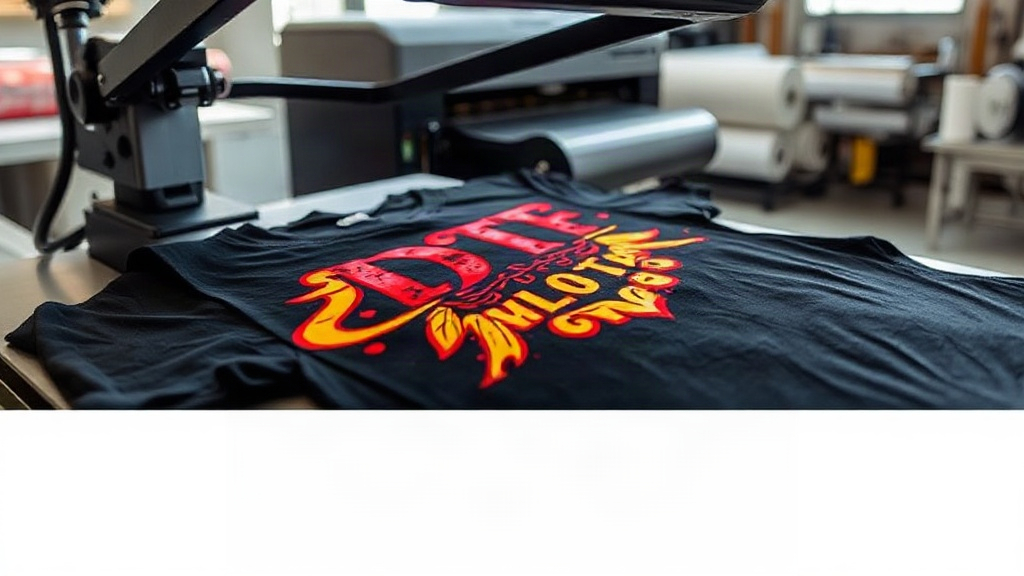
When you first hear about DTF transfers, you might wonder if they are just another fleeting trend in the custom apparel world. But spend a little time with them, and you will see why they have become a go-to solution for creators who want bold, lasting designs without the usual headaches. Whether you are printing a single t-shirt for a special occasion or running a small business with daily orders, DTF transfers give you the freedom to print on almost any fabric with stunning detail. In this guide, we will walk through everything you need to know, from how the process works to the tips that separate a good print from a great one.
What Are DTF Transfers?
DTF stands for Direct to Film. It is a printing method where your design is printed onto a special film, coated with a powder adhesive, and then heat-pressed onto the fabric. Unlike DTG (Direct to Garment) or screen printing, DTF transfers do not require the fabric to be pre-treated, and they work on a wide range of materials, including cotton, polyester, blends, and even nylon. The film acts as a carrier, and the adhesive ensures the ink bonds permanently to the garment.
The process is surprisingly straightforward. First, you print your design onto the film using a DTF printer with special inks. While the ink is still wet, you sprinkle a hot-melt adhesive powder over it. After shaking off the excess, the film goes through a curing oven or heat press to melt the powder. Once cured, the transfer is ready to be applied to a garment using a heat press. The result is a soft, stretchable print that feels like part of the fabric.
Why DTF Transfers Are Gaining Popularity
There are several reasons why DTF transfers have become a favorite among apparel decorators. Let's break down the key benefits.
Works on Almost Any Fabric
One of the biggest advantages is versatility. You can apply DTF transfers to cotton, polyester, cotton-poly blends, leather, denim, and even some synthetic materials. This opens up possibilities for printing on items that were previously difficult or impossible with other methods. For example, if you want to print on a 100% polyester jersey, DTF transfers will adhere beautifully without the dye migration issues that can plague other techniques.
No Pre-Treatment Required
With DTG printing, you often need to pre-treat the garment with a liquid solution to help the ink bond. DTF transfers skip that step entirely. This saves time, reduces chemical use, and makes the process more accessible for beginners. You simply press and go.
Vibrant Colors and Fine Details
DTF transfers produce incredibly sharp and vibrant prints. Because the design is printed on film first, you can achieve fine lines, small text, and complex gradients that might be challenging with screen printing. The colors pop on both light and dark fabrics, and the white ink layer ensures opacity where needed.
Durability and Stretch
When applied correctly, DTF transfers are highly durable. They withstand repeated washing without cracking, peeling, or fading. The prints also stretch with the fabric, making them ideal for performance wear and stretchy materials. This durability makes DTF transfers a cost-effective choice for items that need to last.
The DTF Transfer Process Step by Step
Understanding the process helps you troubleshoot issues and achieve consistent results. Here is a detailed walkthrough.
1. Design Preparation
Start with a high-resolution image. DTF printing can handle intricate details, but a low-quality file will still look poor. Ensure your design is in a format your printer software supports, such as PNG or TIFF, with a transparent background if needed. Mirror the image horizontally before printing, as the transfer will be flipped when pressed.
2. Printing
Load the DTF film into your printer. These printers use special inks, usually CMYK plus white. The white ink is crucial for printing on dark fabrics, as it provides a base for the colors to show up. The printer lays down the white ink first, followed by the color layers. Some printers do this in one pass, while others require separate passes.
3. Powder Application
While the ink is still wet, apply the hot-melt adhesive powder evenly over the printed area. You can do this manually or with a shaker machine. Gently shake off excess powder, leaving a thin, even layer sticking to the ink. This powder will become the adhesive that bonds the print to the fabric.
4. Curing
The film then goes into a curing oven or under a heat press for a short time. The heat melts the powder, creating a smooth, dry surface. Curing temperatures and times vary by powder type, so follow the manufacturer's recommendations. Proper curing is essential for wash durability.
5. Heat Pressing
Finally, place the transfer onto the garment and press it with a heat press. Typical settings are around 300-325°F (150-160°C) for 10-15 seconds with medium pressure. After pressing, peel the film off while it is still hot or cold, depending on the film type. Most DTF films are cold peel, meaning you wait for it to cool before peeling. Always check the instructions for your specific film.
Common Challenges and How to Overcome Them
Even with a straightforward process, you might run into a few hiccups. Here are some common issues and their solutions.
- Poor adhesion: This often happens if the powder is not cured properly or if the press pressure is too low. Increase pressure and ensure the powder is fully melted.
- Dull colors: If colors look washed out, you might be under-curing the ink or using too much powder. Adjust curing time and powder application.
- Cracking after washing: This usually indicates under-curing or insufficient pressure. Make sure the transfer is fully cured and pressed with enough force.
- Film peeling off too early: If the film pulls up the design, you might be peeling too soon. Wait until the transfer is completely cool before peeling.
DTF Transfers vs. Other Printing Methods
How do DTF transfers stack up against DTG and screen printing? Let's compare.
DTF vs. DTG
DTG is great for 100% cotton and produces a soft feel, but it requires pre-treatment and can struggle with polyester. DTF works on more fabrics, doesn't need pre-treatment, and often has better durability. However, DTF prints may have a slightly thicker feel due to the adhesive layer.
DTF vs. Screen Printing
Screen printing is cost-effective for large orders of the same design, but it requires separate screens for each color and is not ideal for complex designs with many colors. DTF transfers are perfect for small batches, full-color designs, and on-demand printing. They also eliminate the setup costs associated with screens.
Tips for Getting the Best Results with DTF Transfers
To ensure your DTF transfers look professional and last, keep these tips in mind.
- Choose the right film: Not all DTF films are created equal. Some are designed for cold peel, others for hot peel. Pick one that matches your workflow and test it.
- Maintain your printer: DTF printers require regular maintenance, especially the printhead. Clogged nozzles lead to poor prints. Run daily cleanings and use good ink.
- Control your environment: Humidity and temperature can affect powder application and curing. Aim for a stable, clean workspace.
- Test your settings: Every heat press is different. Invest time in finding the ideal temperature, pressure, and time for your setup. A few test presses can save you from costly mistakes.
- Store transfers properly: Keep unused transfers in a cool, dry place away from direct sunlight. Moisture can ruin the powder adhesive.
Applications of DTF Transfers
DTF transfers are used in a variety of industries and personal projects. Here are some popular applications.
- Custom t-shirts: Perfect for small businesses, events, and gifts. You can print full-color designs on demand.
- Sportswear: The stretchability makes DTF transfers ideal for jerseys, leggings, and performance gear.
- Denim and jackets: Add intricate designs to denim without the stiffness of traditional methods.
- Bags and accessories: Personalize tote bags, backpacks, and more with vibrant prints.
- Home decor: Create custom pillows, aprons, and other fabric items.
Frequently Asked Questions About DTF Transfers
How long do DTF transfers last?
When applied correctly, DTF transfers can last as long as the garment itself. They withstand dozens of washes without fading or cracking. Proper curing and pressing are key to longevity.
Can I use DTF transfers on 100% polyester?
Yes, DTF transfers work exceptionally well on polyester. They do not require pre-treatment and adhere strongly, making them a great choice for polyester athletic wear.
Do I need a special printer for DTF transfers?
Yes, you need a DTF printer that uses DTF inks and can handle film. However, you can also buy pre-printed transfers from suppliers if you don't want to invest in a printer.
What is the difference between hot peel and cold peel DTF film?
Hot peel film allows you to remove the film immediately after pressing while it's still hot, speeding up production. Cold peel requires you to wait until the transfer cools before peeling, which can result in a smoother finish. Both work well; choose based on your preference and workflow.
Can I layer DTF transfers?
Yes, you can layer DTF transfers to create multi-color or multi-design effects. Press the first layer, then apply the second on top, ensuring proper alignment and pressing again.
Final Thoughts
DTF transfers have opened up a world of possibilities for custom apparel printing. With their versatility, durability, and ease of use, they are a valuable addition to any print shop or hobbyist's toolkit. By understanding the process and following best practices, you can achieve professional results that impress your customers and keep them coming back. Whether you are just starting out or looking to expand your offerings, DTF transfers are worth exploring.