
When you're in the business of creating custom apparel, the method you choose for decorating garments can make or break your final product. Enter DTF transfers, a relative newcomer to the printing scene that's quickly gaining traction for its remarkable versatility and stunning results. Unlike traditional techniques that require specific fabrics or complex setups, DTF transfers offer a streamlined approach that works on almost any material, from cotton and polyester to blends and even leather. In this guide, we'll dive deep into what DTF transfers are, how they work, and why they might be the perfect solution for your next project.
What Are DTF Transfers?
DTF stands for Direct to Film. It's a printing method where your design is first printed onto a special film, then coated with a adhesive powder, and finally heat-pressed onto the fabric. The process involves a specialized printer that uses pigment-based inks to create the image on a PET film. After printing, a powder (often a hot-melt adhesive) is applied to the wet ink, and the film is cured. Once cured, the transfer is ready to be applied using a heat press. This two-step process allows for intricate details, vibrant colors, and excellent durability.
One of the key advantages of DTF transfers is that they don't require pretreating the garment, unlike DTG (Direct to Garment) printing. This saves time and reduces equipment costs. Plus, DTF transfers can be used on a wide range of fabrics, including those that are difficult to print on with other methods, such as nylon, leather, and even treated polyester.
How DTF Transfers Work: Step by Step
Understanding the DTF process can help you appreciate its benefits and ensure you get the best results. Here's a breakdown of the steps involved:
- Design Preparation: Your artwork is prepared digitally, ensuring it's mirrored (since the film is pressed face-down onto the fabric). The design is then printed onto a special DTF film using a DTF printer.
- Powder Application: While the ink is still wet, a fine powder adhesive is sprinkled over the printed design. The excess powder is shaken off, leaving a thin layer adhered to the ink.
- Curing: The film with the powder is then heated to melt the powder, creating a smooth, adhesive layer. This can be done with a heat press or a dedicated curing oven.
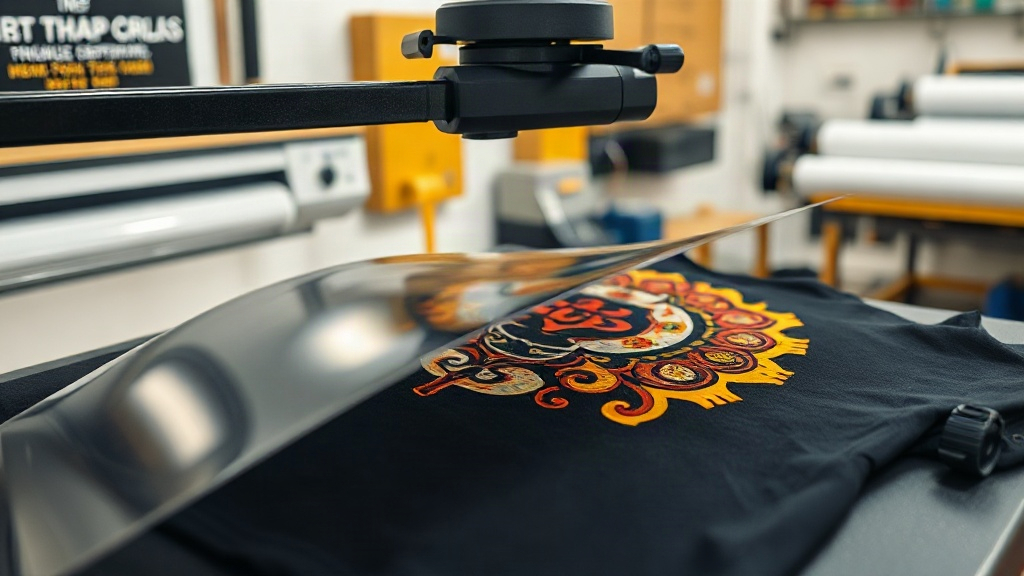
- Transfer: The cured film is placed onto the garment and heat-pressed at a specific temperature and pressure for a set time. The adhesive melts, bonding the design to the fabric.
- Peeling: After pressing, the film is peeled away (hot or cold peel, depending on the film type), leaving the design permanently adhered to the garment.
Each step requires attention to detail, but once mastered, the process is efficient and yields professional-quality results.
Why Choose DTF Transfers for Your Custom Apparel?
There are several compelling reasons why DTF transfers have become a go-to choice for apparel decorators. Let's explore the main benefits:
1. Unmatched Versatility
DTF transfers can be applied to a wide variety of fabrics, including 100% cotton, polyester, blends, and even specialty fabrics like leather and nylon. This versatility means you're not limited to certain garment types, giving you more creative freedom.
2. Vibrant Colors and Fine Details
The pigment-based inks used in DTF printing produce bright, opaque colors that stand out. The process also allows for high-resolution details, making it ideal for complex designs, gradients, and photographs.
3. Durability and Washability
When applied correctly, DTF transfers are highly durable. They resist cracking, peeling, and fading, even after multiple washes. This makes them suitable for items that will see regular use, like t-shirts, hoodies, and tote bags.
4. No Pretreatment Required
Unlike DTG printing, DTF transfers don't require pretreating the garment before pressing. This saves time, money, and avoids the potential for pretreatment stains or uneven application.
5. Cost-Effective for Small and Large Runs
DTF transfers are cost-effective for both small batches and large orders. There's no need for screens or plates, so setup costs are minimal. You can print one-offs or hundreds of transfers with the same ease.
DTF Transfers vs. Other Printing Methods
How do DTF transfers stack up against more established techniques like screen printing, DTG, and heat transfer vinyl (HTV)?
- Screen Printing: Great for large orders of simple designs, but requires setup per color and doesn't handle complex gradients well. DTF excels at detailed, multi-color designs without setup fees.
- DTG: Best for 100% cotton garments, but requires pretreatment and can be less vibrant on dark colors. DTF works on more fabrics and produces more opaque results.
- HTV: Ideal for simple designs and personalization, but layering multiple colors can be time-consuming and results in a thicker feel. DTF offers a softer hand and can handle intricate designs in one press.
While each method has its place, DTF transfers often come out on top for their combination of versatility, quality, and efficiency.
Tips for Getting the Best Results with DTF Transfers
To ensure your DTF transfers look great and last long, follow these best practices:
- Choose the Right Film: Not all DTF films are created equal. Select a film that matches your printer and desired finish (matte, glossy, etc.).
- Control Moisture: Fabric should be dry before pressing. Moisture can interfere with adhesion.
- Optimal Press Settings: Follow the recommended temperature, pressure, and time for your specific film and fabric. Typically, temperatures range from 300°F to 350°F (150°C to 175°C) for 10-20 seconds.
- Proper Peeling: Decide whether to peel hot or cold based on the film instructions. Peeling too early or too late can affect the transfer's integrity.
- Wash Care: Wait at least 24 hours before washing, and turn the garment inside out. Avoid bleach and fabric softeners to prolong the life of the transfer.
Common Applications of DTF Transfers
DTF transfers are used in a variety of settings, from small businesses to large-scale production. Some popular applications include:
- Custom t-shirts, hoodies, and sweatshirts
- Sports jerseys and team uniforms
- Promotional items like tote bags and hats
- Fashion apparel with intricate designs
- Personalized gifts
The possibilities are virtually endless, limited only by your imagination.
Frequently Asked Questions About DTF Transfers
Can DTF transfers be applied to dark fabrics?
Yes, DTF transfers work exceptionally well on dark fabrics. The white ink layer in the transfer provides a base that makes colors pop, so you don't need to worry about the garment color showing through.
How long do DTF transfers last?
With proper application and care, DTF transfers can last as long as the garment itself. They are resistant to cracking, peeling, and fading, even after many washes.
Do I need a special printer for DTF transfers?
Yes, you need a DTF printer that uses pigment inks and is designed to print on PET film. However, you can also purchase pre-printed DTF transfers from suppliers if you don't want to invest in a printer.
What fabrics are not suitable for DTF transfers?
DTF transfers adhere well to most fabrics, but they may not work on fabrics with heavy coatings or waterproof treatments. Always test on a small area first.
Is DTF printing cost-effective for small businesses?
Absolutely. DTF transfers have low setup costs and no minimum order requirements, making them ideal for small businesses, startups, and one-off projects.
Final Thoughts
DTF transfers have emerged as a powerful tool in the world of custom apparel. Their ability to produce vibrant, detailed designs on a wide range of fabrics, combined with durability and ease of use, makes them a top choice for both beginners and seasoned professionals. Whether you're running a small print shop or just want to create personalized items, DTF transfers offer a reliable and efficient solution. As the technology continues to evolve, we can expect even more innovations that will further expand the possibilities of garment decoration.