
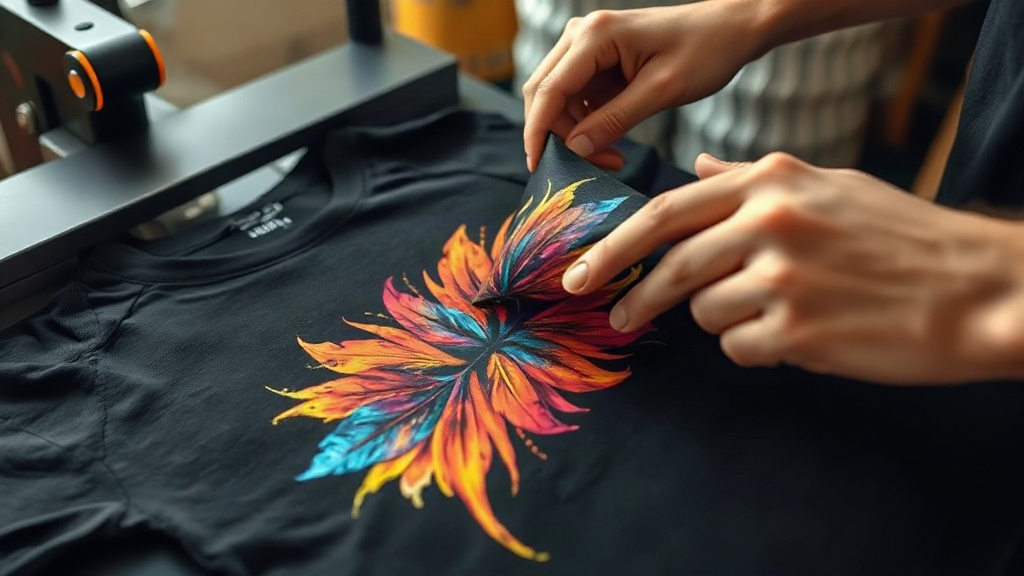
When you need custom apparel that stands out, DTF transfers have become a game-changer. Unlike traditional methods that limit your fabric choices, DTF transfers let you print full-color designs on cotton, polyester, blends, and even tough-to-print materials like nylon and leather. Whether you're a small business owner creating branded merchandise or a hobbyist designing one-of-a-kind tees, understanding DTF transfers can unlock a new level of creativity and quality. In this guide, I'll walk you through everything you need to know, from the basics of the process to expert tips that ensure professional results every time.
What Are DTF Transfers?
DTF stands for Direct to Film. It's a printing method where your design is printed onto a special PET film using water-based inks, then coated with a hot-melt adhesive powder. After the powder is cured, the transfer is ready to be applied to fabric using a heat press. The magic happens when heat and pressure bond the ink and adhesive to the fabric, creating a vibrant, stretchable, and durable print that feels soft to the touch.
Unlike DTG (Direct to Garment) printing, which requires pre-treatment and works best on 100% cotton, DTF transfers are incredibly versatile. They adhere to a wide range of fabrics, including those with high polyester content, without the need for pre-treatment. This makes them a favorite for print-on-demand businesses that want to offer diverse product options without investing in multiple printing technologies.
Why Choose DTF Transfers for Custom Apparel?
If you're in the custom apparel game, you've probably tried or considered other printing methods like screen printing, heat transfer vinyl (HTV), or DTG. Each has its strengths, but DTF transfers offer a unique combination of benefits that make them stand out. Let's break down the key advantages.
1. Unmatched Versatility Across Fabrics
One of the biggest headaches in apparel printing is matching the right technique to the fabric. Cotton? DTG works. Polyester? Dye sublimation is needed. Blends? Tricky. DTF transfers eliminate that headache. They work beautifully on cotton, polyester, cotton-poly blends, spandex, nylon, leather, and even wood. This means you can offer your customers a wider range of products, from classic tees to performance wear, without worrying about whether the print will hold up.
2. Vibrant, Full-Color Prints with Fine Detail
DTF transfers produce incredibly vibrant colors because the inks are opaque and the white ink layer acts as a base, making colors pop even on dark garments. You can print complex designs with gradients, fine lines, and photographic details without losing quality. Unlike screen printing, there's no setup cost per color, so you can print a single full-color design as easily as a thousand.
3. Durability That Withstands Wash After Wash
When applied correctly, DTF transfers are extremely durable. They resist cracking, peeling, and fading, even after multiple washes. The key is in the adhesive powder and the heat press application: when done right, the print becomes part of the fabric, stretching and moving with it. I've personally washed DTF-printed shirts dozens of times, and they still look as good as new.
4. Cost-Effective for Small Batches and On-Demand Production
Traditional screen printing requires separate screens for each color, which is costly for small runs. DTF transfers, on the other hand, have no per-color setup fees. You can print one-off designs or small batches without breaking the bank. This makes them perfect for print-on-demand, where you only produce what you sell. Plus, you can stock blank transfers and apply them as orders come in, reducing inventory waste.
How DTF Transfers Work: Step-by-Step
Understanding the process helps you troubleshoot issues and achieve consistent results. Here's a simplified breakdown of how DTF transfers are made and applied.
Step 1: Design Preparation
Start with a high-resolution image. DTF printing can handle intricate details, but starting with a clean file ensures the best output. Remember that the design will be printed in reverse on the film, so it appears correctly when transferred. Use design software to mirror the image if needed.
Step 2: Printing onto Film
The design is printed onto a PET film using a DTF printer. First, a white ink layer is printed as a base, followed by the CMYK colors. This layering is what gives DTF prints their opacity and vibrancy on dark fabrics.
Step 3: Powder Application
While the ink is still wet, a hot-melt adhesive powder is sprinkled over the film. The powder sticks to the wet ink. Excess powder is shaken off, leaving a thin, even layer only where the ink is.
Step 4: Curing
The film is then heated to melt the powder, creating a smooth, dry adhesive layer. This step is crucial; under-curing leads to poor adhesion, while over-curing can make the transfer brittle. A heat gun or curing oven is typically used.
Step 5: Transfer Application
Finally, the transfer is placed on the garment and pressed with a heat press. Typical settings are 300-320°F (150-160°C) for 10-15 seconds with medium pressure. After pressing, you peel the film off while it's still warm (or cold, depending on the film type) to reveal the vibrant design.
DTF vs. Other Printing Methods: A Quick Comparison
To help you decide if DTF is right for your projects, here's how it stacks up against common alternatives.
- DTF vs. DTG: DTF works on more fabrics (especially polyester) and doesn't require pre-treatment, but DTG can be more cost-effective for 100% cotton in high volumes.
- DTF vs. Screen Printing: Screen printing is cheaper for large orders of simple designs, but DTF wins for complex, multi-color designs and small batches.
- DTF vs. HTV: HTV is great for simple text and single-color designs, but DTF handles full-color images with gradients and fine details that HTV can't match.
- DTF vs. Sublimation: Sublimation only works on polyester and light-colored fabrics; DTF works on almost anything, including dark cotton.
Expert Tips for Flawless DTF Transfers
After working with DTF transfers for years, I've picked up a few tricks that make a big difference in quality and consistency.
- Choose the right film: Not all DTF films are created equal. Look for films designed for your printer and ink type. Some films are matte, others glossy; each affects the final feel.
- Control moisture: Humidity can ruin DTF prints. Store your films and powder in a dry place, and consider using a dehumidifier in your workspace.
- Test your heat press: Every heat press varies. Use a temperature gun to verify the actual platen temperature, and do a test press with each new garment type.
- Pre-press garments: Always pre-press the garment for a few seconds to remove wrinkles and moisture before applying the transfer.
- Peel at the right temperature: Some films require hot peel, others cold. Follow the manufacturer's instructions to avoid cracking or adhesive residue.
Common Mistakes to Avoid with DTF Transfers
Even seasoned printers run into issues. Here are the most common pitfalls and how to sidestep them.
- Insufficient pressure: If the pressure is too low, the transfer won't adhere properly. Increase pressure until you see the fabric texture through the film during pressing.
- Wrong temperature: Too hot and the film may melt or the ink may scorch; too cold and the adhesive won't activate. Always check with a temperature gun.
- Not enough powder: If you don't apply enough adhesive powder, the transfer will peel. Make sure the ink is fully covered with powder before shaking off the excess.
- Reusing film: DTF film is single-use. Once peeled, the transfer is spent. Don't try to reuse it.
- Ignoring fabric type: While DTF works on many fabrics, some heavily textured or coated fabrics may require special films or additional steps. Test first.
Frequently Asked Questions About DTF Transfers
How long do DTF transfers last on a shirt?
With proper application and care, DTF transfers can last as long as the garment itself. They withstand dozens of washes without fading or cracking. To maximize longevity, wash inside out in cold water and avoid ironing directly on the print.
Can I use DTF transfers on 100% polyester?
Absolutely. DTF transfers adhere well to polyester and polyester blends. In fact, they often outperform other methods on synthetic fabrics. Just be mindful of the heat settings; polyester can scorch at high temperatures, so use a lower temperature and test first.
Do I need a special printer for DTF transfers?
Yes, DTF printing requires a dedicated DTF printer that uses water-based DTF inks and can handle the white ink layer. However, you can also buy pre-printed transfers from suppliers if you don't want to invest in a printer.
What's the best way to store DTF transfers?
Store unused DTF transfers in a cool, dry place, away from direct sunlight and moisture. Keep them flat or rolled, not folded, to prevent creases. If stored properly, they can last for several months.
Can I layer DTF transfers?
Layering DTF transfers is possible but tricky. It's better to design your artwork with all elements in one transfer. If you must layer, press the bottom layer first, then apply the top layer with a slightly lower temperature to avoid disturbing the first layer.
Final Thoughts
DTF transfers have opened up a world of possibilities for custom apparel. Their versatility, durability, and vibrant output make them an excellent choice for businesses and creators alike. By understanding the process and following best practices, you can produce professional-quality garments that delight your customers. Whether you're just starting out or looking to expand your offerings, DTF transfers are a smart addition to your printing toolkit. So go ahead, experiment with different fabrics, and let your creativity run wild.