
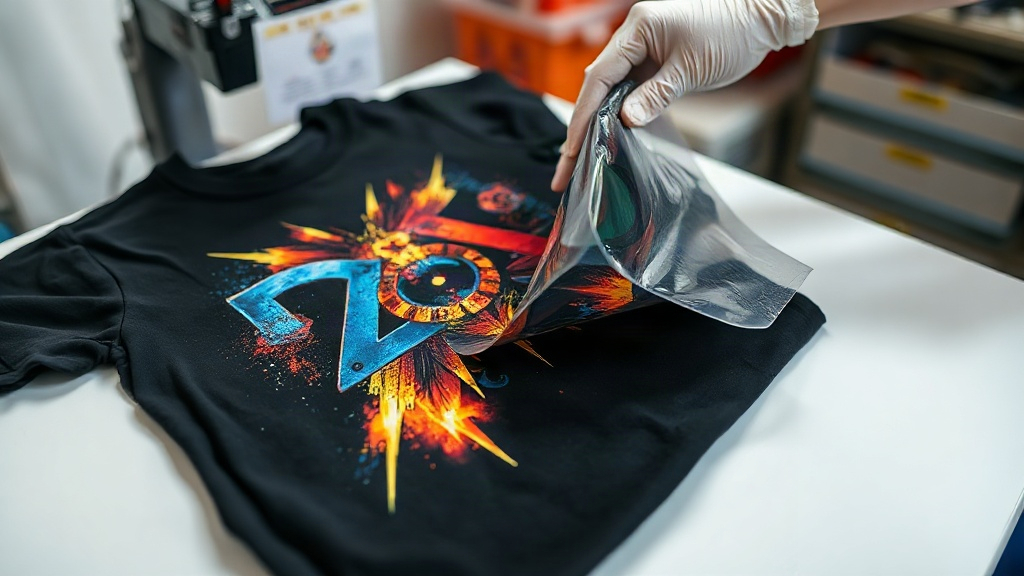
If you've been exploring custom apparel printing, you've likely heard about DTF transfers. This innovative technology is quickly becoming a favorite among hobbyists and professionals alike for its versatility and vibrant results. Unlike traditional methods that require specific fabrics or extensive setup, DTF transfers offer a streamlined approach to bringing your designs to life on a wide range of materials. In this guide, we'll dive deep into what DTF transfers are, how they work, and why they might be the perfect solution for your next project.
What Are DTF Transfers?
DTF stands for Direct to Film. It's a printing method where your design is printed onto a special film, coated with a powder adhesive, and then heat-pressed onto the fabric. The result is a durable, stretchable print that bonds well to cotton, polyester, blends, and even some non-fabric materials. Unlike DTG (Direct to Garment) printing, which prints directly onto the garment, DTF transfers allow you to print the design separately and apply it later. This opens up possibilities for printing on demand, storing transfers, and applying them to various items without needing a dedicated printer for each material.
The DTF Printing Process Step by Step
Understanding the process helps you appreciate the technology and troubleshoot issues. Here's how it works:
- Design Preparation: Your artwork is prepared in a graphics program, ensuring it's in CMYK color mode and mirrored if necessary (though most DTF printers handle mirroring automatically).
- Printing: A DTF printer uses specialized inks (often pigment-based) to print the design onto a PET film. White ink is typically printed as a base layer to make colors pop on dark fabrics.
- Powdering: While the ink is still wet, a hot-melt adhesive powder is applied evenly over the print. The excess powder is shaken off.
- Curing: The film with the powder goes through a heat source (like a heat press or oven) to melt the powder, creating a adhesive layer that will bond to the fabric.
- Transfer: The cured transfer is placed on the garment and heat-pressed. The adhesive melts, bonding the design to the fabric. After cooling, the film is peeled away, leaving the design behind.
This multi-step process might seem involved, but with practice, it becomes second nature. Many small businesses adopt DTF because it eliminates the need for cutting vinyl or weeding, saving time and reducing waste.
Why Choose DTF Transfers Over Other Methods?
DTF transfers stand out for several compelling reasons. Let's compare them to other popular printing techniques.
Versatility Across Fabrics
One of the biggest advantages of DTF transfers is their ability to adhere to a wide range of materials. Cotton, polyester, nylon, leather, and even wood can be decorated. This is a significant improvement over vinyl cutting, which requires different types of vinyl for different fabrics, and DTG, which works best on 100% cotton. With DTF, you can use one transfer type for almost any substrate, simplifying your inventory and workflow.
Durability and Stretchability
DTF prints are known for their durability. When applied correctly, they withstand repeated washing without cracking, peeling, or fading. The stretchable nature of the adhesive and ink means the print moves with the fabric, making it ideal for stretchy materials like spandex and athletic wear. This is a game-changer for sportswear and activewear, where flexibility is key.
Cost-Effectiveness for Small Runs
For small businesses or individuals printing small batches, DTF transfers are cost-effective because there's no minimum order quantity. You can print one-offs or hundreds, and the cost per transfer remains relatively low. Screen printing, on the other hand, requires setup costs per color, making it expensive for small runs. DTF also eliminates the need for expensive cutting machines and vinyl rolls, reducing overhead.
Vibrant Colors and Fine Details
DTF printers can reproduce intricate details and gradients with high accuracy. The white ink base ensures colors remain vibrant even on dark garments, something that DTG sometimes struggles with. The result is a soft-hand feel that's comfortable to wear, unlike the thick, plastic-like texture of some heat transfer vinyls.
Common Challenges and How to Overcome Them
While DTF transfers are user-friendly, there are a few hurdles you might encounter. Here's how to tackle them.
Adhesion Issues
If your transfer peels off after washing, it's likely due to insufficient pressure, temperature, or time during heat pressing. Always follow the manufacturer's recommendations for your specific transfer and fabric. Pre-pressing the garment to remove moisture is also crucial. Moisture can prevent proper adhesion, so give your garment a quick press before applying the transfer.
Color Accuracy
Colors may appear slightly different on the final product compared to your screen. This is normal due to color profiles and fabric influence. To minimize surprises, invest in a color management system and test prints on similar fabrics. Also, ensure your printer is calibrated regularly.
Film Handling
The PET film can be static-prone, attracting dust and lint. Store transfers in a clean, dry environment and use a lint roller on the film before pressing. Handle transfers by the edges to avoid fingerprints on the ink.
Getting Started with DTF Transfers
Ready to dive in? Here's a roadmap to start your DTF journey.
Choose the Right Equipment
You'll need a DTF printer, which can range from desktop models to industrial machines. For beginners, a reliable desktop DTF printer from a reputable brand is a good start. You'll also need a heat press, adhesive powder, and PET film. Don't forget software for design preparation; programs like Photoshop or Illustrator work well, but there are also specialized RIP software options for DTF printing.
Learn from the Community
Join online forums, social media groups, and YouTube channels dedicated to DTF printing. The community is incredibly supportive, sharing tips on settings, troubleshooting, and new techniques. Watching others can shorten your learning curve significantly.
Practice Makes Perfect
Before offering DTF services to customers, practice on scrap fabric. Experiment with different fabrics, pressure settings, and peel techniques (hot peel vs. cold peel). Each combination may yield different results, so take notes and find what works best for your setup.
Frequently Asked Questions About DTF Transfers
How long do DTF transfers last?
With proper application and care, DTF transfers can last as long as the garment itself. They withstand dozens of washes without significant fading or cracking. To prolong life, wash inside out in cold water and avoid harsh detergents or bleach.
Can I apply DTF transfers to any fabric?
DTF transfers adhere to most fabrics, including cotton, polyester, blends, nylon, and leather. However, fabrics with a heavy weave or coating (like waterproof jackets) may require special handling or a different adhesive. Always test on a small area first.
Do I need a special printer for DTF?
Yes, DTF printing requires a printer designed for DTF inks and film. You can't use a regular inkjet printer because DTF inks are formulated differently and require a white ink channel. However, some modified inkjet printers can be converted for DTF use, but dedicated DTF printers are recommended for best results.
Is DTF printing cost-effective for small businesses?
Absolutely. DTF transfers have low startup costs compared to screen printing and no minimum order requirements. The per-unit cost is reasonable, making it ideal for small businesses, crafters, and entrepreneurs testing new designs.
What's the difference between DTF and DTG?
DTG prints directly onto the garment, while DTF prints onto a film that is then transferred. DTF works on more fabric types and often produces more vibrant colors on dark shirts. DTG is limited mostly to cotton and requires pre-treatment. DTF also allows you to print transfers in advance and store them.
DTF transfers are a versatile and durable solution for custom apparel. Whether you're a hobbyist or a business owner, embracing this technology can open up new creative and commercial opportunities. With the right knowledge and a bit of practice, you'll be creating stunning, long-lasting designs in no time.