
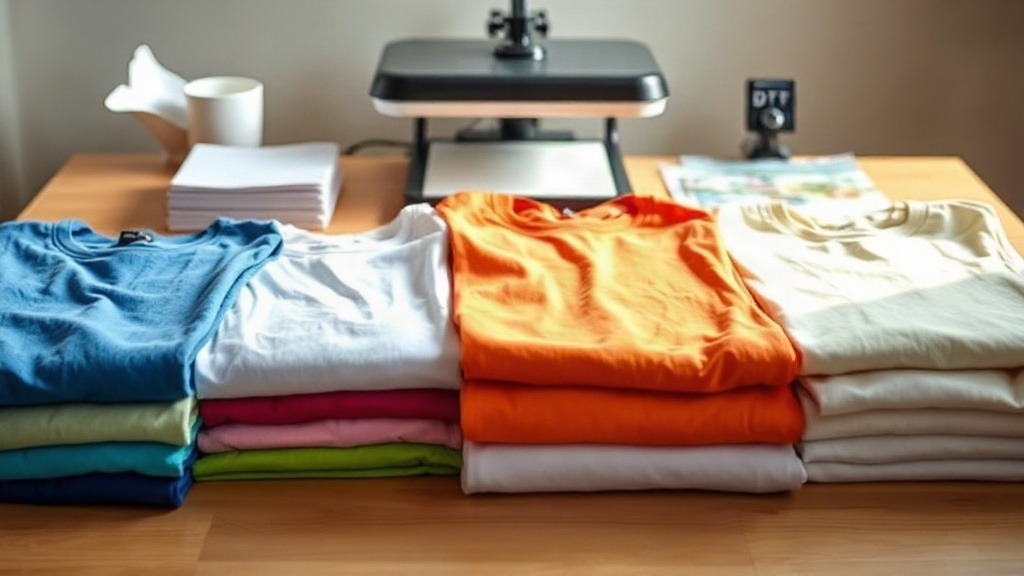
When you first dive into print on demand, the sheer number of decisions can feel overwhelming. You have to pick designs, set up a store, and choose a production partner. But one choice quietly shapes everything else: the blank apparel you print on. This is where the concept of smart blanks comes in. Smart blanks are not just any t-shirts or hoodies; they are carefully selected garments that balance quality, comfort, and printability to give your customers a product they will love and you a business that thrives.
In this guide, we will explore why smart blanks matter, how to evaluate them, and how brands like Shaka Wear and technologies like DTF transfers fit into the picture. Whether you are a seasoned seller or just starting, understanding these elements will help you make informed decisions and stand out in a crowded market.
What Are Smart Blanks and Why Should You Care?
Smart blanks are more than a buzzword; they represent a strategic approach to choosing blank apparel for printing. Instead of grabbing the cheapest option, smart blanks are chosen based on criteria that directly impact your bottom line and customer satisfaction. These criteria include fabric quality, consistency of sizing, colorfastness, and how well the garment accepts different printing methods.
Why does this matter? Because your customers experience the blank as much as your design. A soft, well-fitting t-shirt with a vibrant print creates a positive impression that leads to repeat business. Conversely, a rough, poorly constructed blank can ruin even the most brilliant design. By prioritizing smart blanks, you invest in your brand's reputation.
Moreover, smart blanks can streamline your operations. When you know a blank's specifications inside out, you can predict how it will behave during printing, reducing waste and returns. This efficiency is crucial for maintaining healthy margins in the competitive print on demand space.
Key Factors That Make a Blank "Smart"
Not all blanks are created equal. To identify smart blanks, you need to evaluate several factors. Let's break them down.
Fabric and Feel
The fabric composition and weight play a huge role in how a garment feels and drapes. Cotton is a popular choice for its softness and breathability, but blends like cotton-polyester offer durability and reduced shrinkage. Ring-spun cotton, for example, provides an exceptionally smooth surface that takes prints beautifully. Consider the intended use: a lightweight tee for summer versus a heavy fleece for winter.
Fit and Sizing Consistency
Inconsistent sizing is a major pain point for online sellers. Smart blanks come from manufacturers with strict quality control, ensuring that a medium is always a medium. This consistency reduces customer confusion and returns. Look for blanks that offer a range of sizes and possibly inclusive fits to cater to a broader audience.
Color Options and Colorfastness
A wide color palette allows you to offer variety, but colorfastness is equally important. You want colors that won't fade after a few washes. Smart blanks are dyed using techniques that lock in color, so your designs stay vibrant for the long haul.
Printability
Different printing methods require different blank characteristics. For example, DTF transfers adhere well to cotton and blends, but the surface texture matters. A smooth, tight weave ensures crisp details. Smart blanks are often tested with various printing techniques to guarantee optimal results. If you plan to use DTF transfers, look for blanks with a smooth finish and minimal texture.
Durability and Washability
Customers expect their apparel to last. Smart blanks undergo rigorous testing for shrinkage, pilling, and color bleeding. They are built to withstand repeated washing without losing shape or print integrity. This durability reflects positively on your brand and reduces complaints.
Shaka Wear: A Prime Example of Smart Blanks
When searching for smart blanks, certain brands stand out for their commitment to quality. Shaka Wear is one such brand that has gained a loyal following among print on demand sellers. Known for their heavyweight cotton tees and streetwear-inspired fits, Shaka Wear blanks offer a premium feel that resonates with modern consumers.
What makes Shaka Wear a smart choice? Their garments are made from 100% cotton, often ring-spun, providing a soft hand feel and excellent print surface. They are also pre-shrunk, so sizing remains consistent after washing. The brand's attention to detail, from double-needle stitching to reinforced seams, ensures durability. For sellers targeting the urban or streetwear niche, Shaka Wear blanks can elevate your product line and command higher prices.
Additionally, Shaka Wear offers a variety of styles, including t-shirts, hoodies, and long sleeves, all with the same quality standards. By incorporating Shaka Wear into your offerings, you align your brand with quality and style, which can be a significant differentiator.
DTF Transfers: A Game-Changer for Smart Blanks
Printing technology has evolved, and DTF transfers (Direct to Film) have emerged as a versatile and cost-effective method for decorating apparel. Unlike traditional screen printing, DTF transfers allow for full-color, high-detail prints without the need for minimum order quantities or color separations. This makes them ideal for print on demand, where flexibility and speed are key.
But how do DTF transfers interact with smart blanks? The quality of the blank directly affects the final output. A smooth, tightly woven fabric ensures that the transfer adheres evenly and the print looks sharp. On the other hand, a rough or loose-knit fabric can cause the transfer to crack or peel prematurely. Therefore, when using DTF transfers, it's crucial to select blanks that have a compatible surface.
Smart blanks are often tested with DTF transfers to ensure optimal adhesion and longevity. For instance, Shaka Wear tees, with their tight knit and smooth finish, are excellent candidates for DTF printing. The combination of high-quality blanks and DTF transfers can produce results that rival more expensive printing methods, giving you a competitive edge.
How to Choose Smart Blanks for Your Business
Now that you understand what smart blanks are and why they matter, how do you go about selecting them? Here are practical steps to guide your decision.
- Define Your Target Audience: Are you selling to budget-conscious shoppers or premium buyers? Your audience dictates the quality level you need. For a luxury feel, consider heavyweight ring-spun cotton; for cost-sensitive markets, a quality blend might suffice.
- Order Samples: Never commit to a blank without testing it. Order samples, print on them using your intended method (like DTF transfers), and wash them multiple times to assess durability and print longevity.
- Evaluate Supplier Reliability: Ensure your supplier consistently stocks the blanks you choose. Inconsistency in availability can disrupt your business. Look for suppliers with a proven track record and good customer service.
- Consider Sustainability: More customers are seeking eco-friendly options. Blanks made from organic cotton or recycled materials can be a unique selling point. Check if your supplier offers such options.
- Calculate Cost vs. Value: While smart blanks may cost slightly more upfront, they can reduce returns and increase customer satisfaction, leading to higher lifetime value. Do a cost-benefit analysis to see the bigger picture.
By following these steps, you can build a collection of smart blanks that align with your brand and business goals.
Maximizing Profit with Smart Blanks
Smart blanks are not just about quality; they are also a strategic tool for profitability. When you use blanks that customers love, you can justify higher prices. People are willing to pay more for a t-shirt that feels great and lasts. This premium positioning can significantly boost your margins.
Furthermore, smart blanks reduce costly mistakes. Returns due to poor quality or sizing issues eat into your profits. By choosing reliable blanks, you minimize these occurrences. Additionally, efficient printing on compatible blanks means less waste and faster production, further improving your bottom line.
Consider this: a customer buys a Shaka Wear tee with a DTF transfer design. They are impressed by the softness and the vibrant print. They wear it often, and it holds up wash after wash. They become a repeat customer and recommend your store to friends. That is the power of smart blanks.
Common Mistakes to Avoid with Blanks
Even with good intentions, sellers sometimes stumble. Here are pitfalls to avoid:
- Choosing solely on price: The cheapest blank often leads to unhappy customers and returns. Invest in quality.
- Ignoring fabric-print compatibility: Not all blanks work with all printing methods. Always test DTF transfers on your chosen blank before a full run.
- Overlooking size consistency: If sizes vary between colors or batches, customers will notice. Stick with brands known for consistency, like Shaka Wear.
- Neglecting customer feedback: Listen to reviews. If customers complain about shrinkage or fading, reconsider your blank choice.
By avoiding these mistakes, you set yourself up for success.
Frequently Asked Questions About Smart Blanks
What exactly are smart blanks and how do they differ from regular blanks?
Smart blanks are blank garments selected for their superior quality, consistency, and compatibility with printing methods. Unlike regular blanks that might be chosen based on low cost alone, smart blanks are evaluated for fabric, fit, durability, and printability. They are a strategic choice to enhance customer satisfaction and business efficiency.
Why is Shaka Wear often recommended for print on demand?
Shaka Wear is recommended because of its consistent quality, soft ring-spun cotton, and durable construction. Their blanks provide an excellent surface for printing, including DTF transfers, and their streetwear-inspired fits appeal to modern consumers. Sellers can command higher prices and build a premium brand image with Shaka Wear.
Can I use DTF transfers on any type of blank?
DTF transfers work best on fabrics with a smooth, tight weave, such as 100% cotton or cotton-poly blends. Rough or heavily textured fabrics may not allow the transfer to adhere properly, leading to cracking or peeling. It's essential to test DTF transfers on your chosen blank to ensure optimal results.
How do smart blanks affect my profit margins?
Smart blanks can improve profit margins by reducing returns and increasing customer loyalty. When customers are satisfied with the quality, they are willing to pay more and order again. Additionally, efficient printing on compatible blanks reduces waste, further boosting profitability. The initial higher cost is often offset by these long-term benefits.
Where can I find smart blanks for my print on demand store?
Many wholesale suppliers and platforms specialize in quality blanks. Look for reputable brands like Shaka Wear and suppliers that offer detailed product specifications and sample ordering. Online marketplaces and dedicated print on demand websites are good places to start. Always order samples to verify quality before committing.